
Fog deserts are unique ecosystems where moisture from fog provides the main source of water for both plant and animal life. The Baja California Desert is one such remarkable place. Other examples include the Atacama Desert along the coast of Chile and Peru, the Namib Desert in Namibia, and the coastal fog deserts of the Arabian Peninsula.
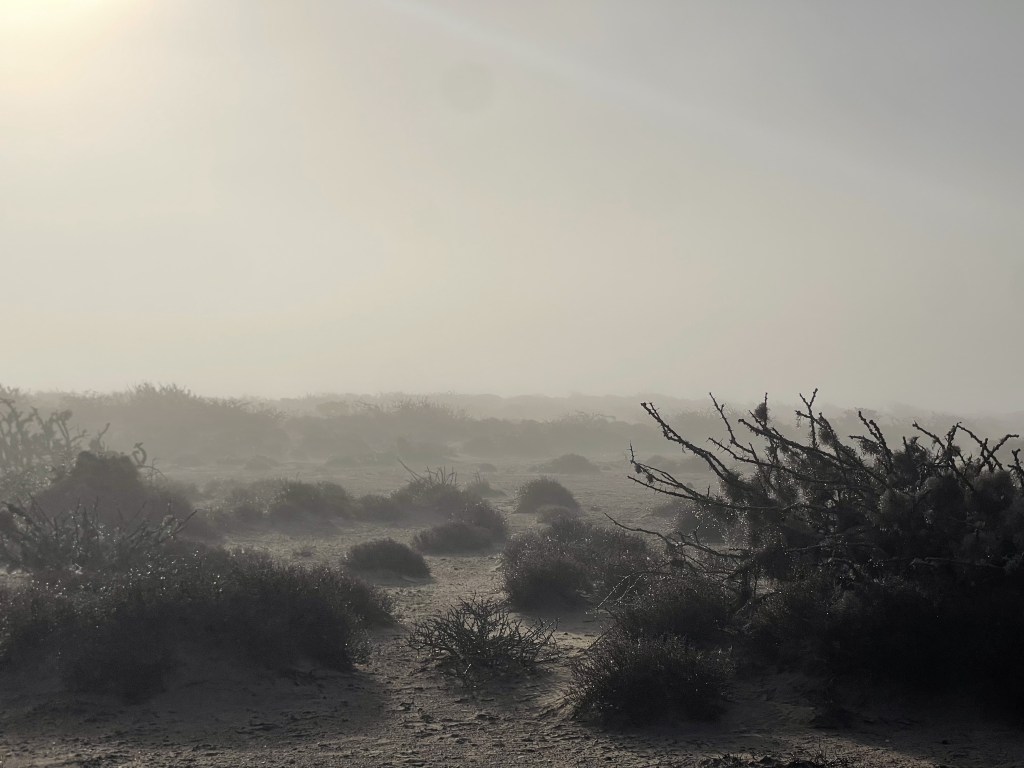
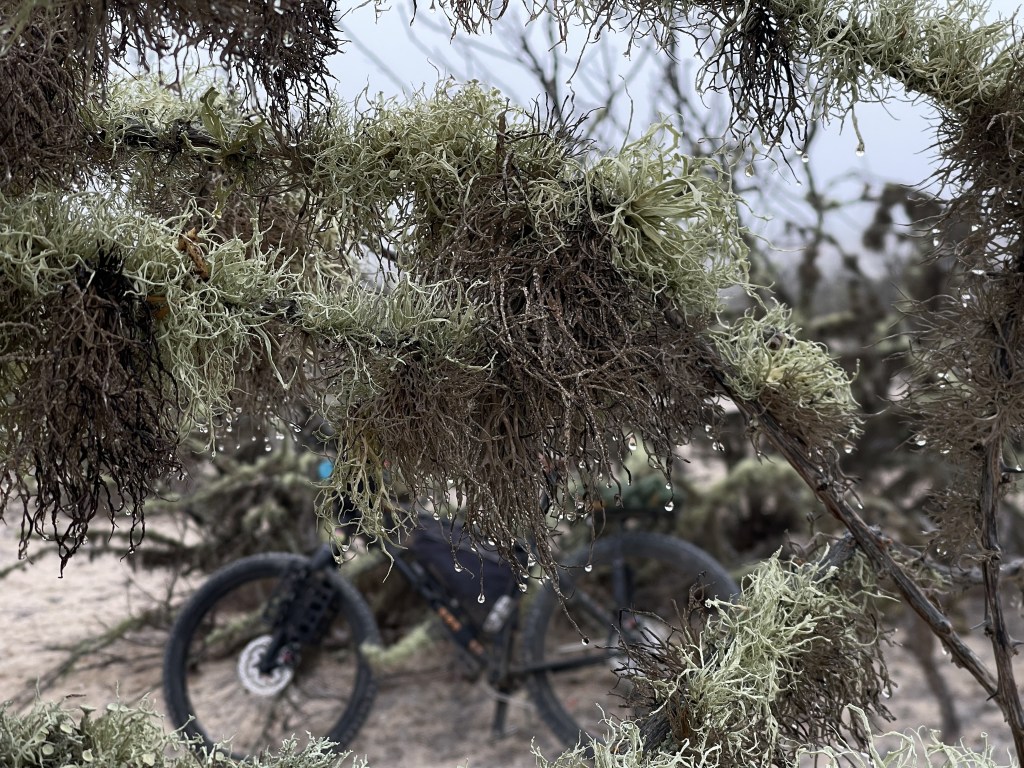
In fog deserts, humidity levels often exceed 95%. Fog typically forms when warm, humid air interacts with cooler surfaces, like mountains. As the warm air cools, water vapor condenses, creating a dense mist. Another way fog develops is when a desert lies near an ocean with a cold current. When hot desert air meets the cool ocean breeze, fog forms, as seen in Baja. The ocean winds then carry the cooling fog inland, usually in the early morning or just after sunset.
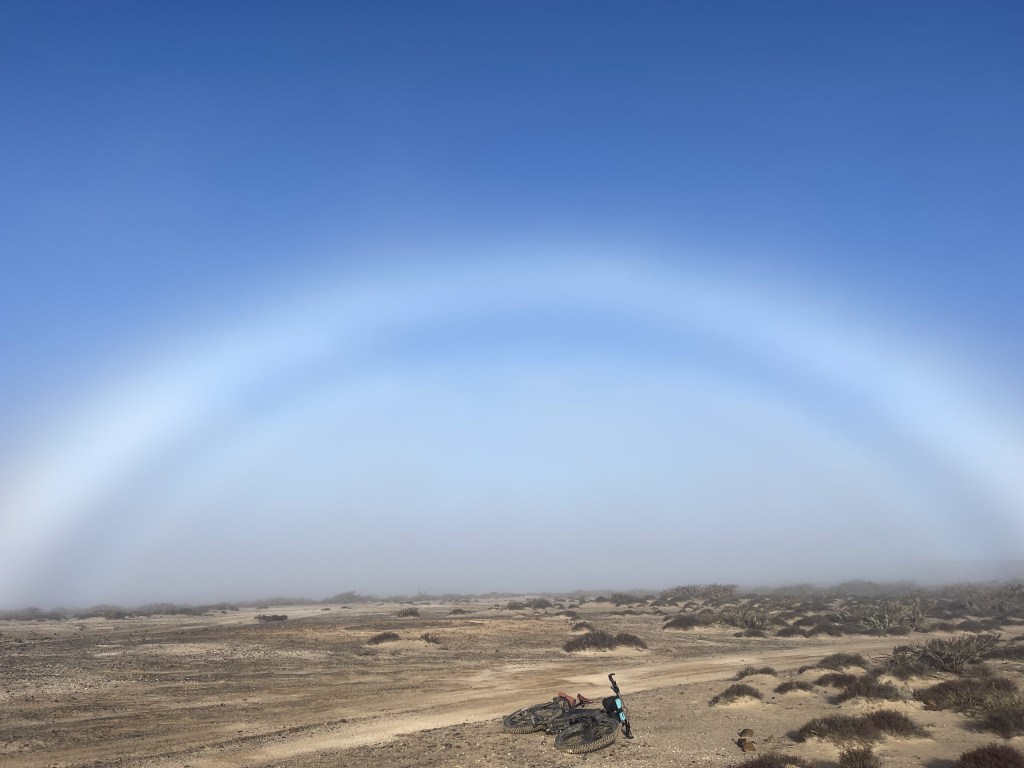
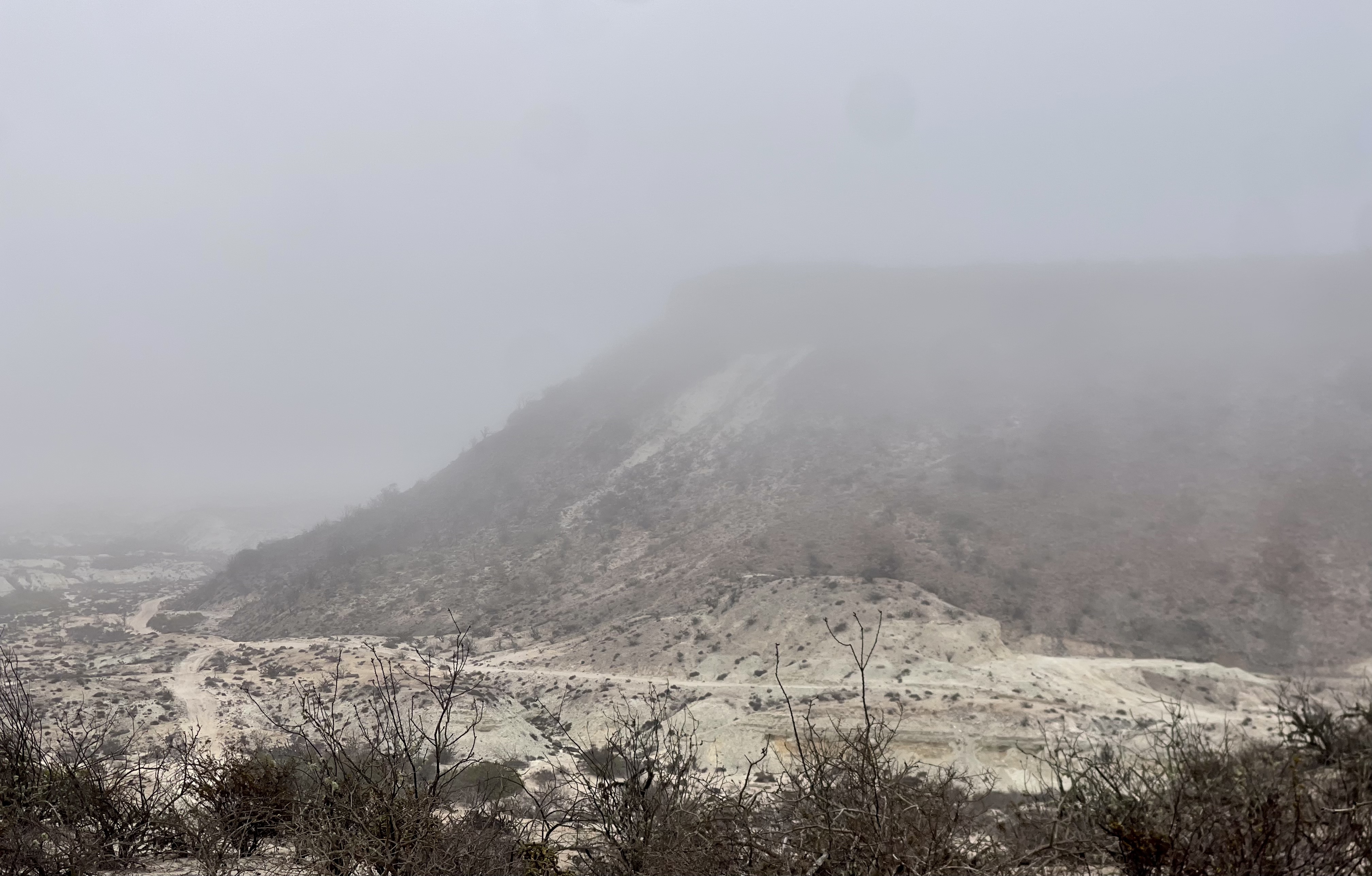
The geography of fog deserts often includes dramatic elevation changes, such as mountain ranges that help trap the moist maritime air. In Baja, the rugged mountain range running down the peninsula divides the landscape into coastal and inland regions. Its proximity to the sea and steep elevation shifts create the perfect conditions for fog to form along the Pacific coast, bringing much-needed moisture to an otherwise arid environment.

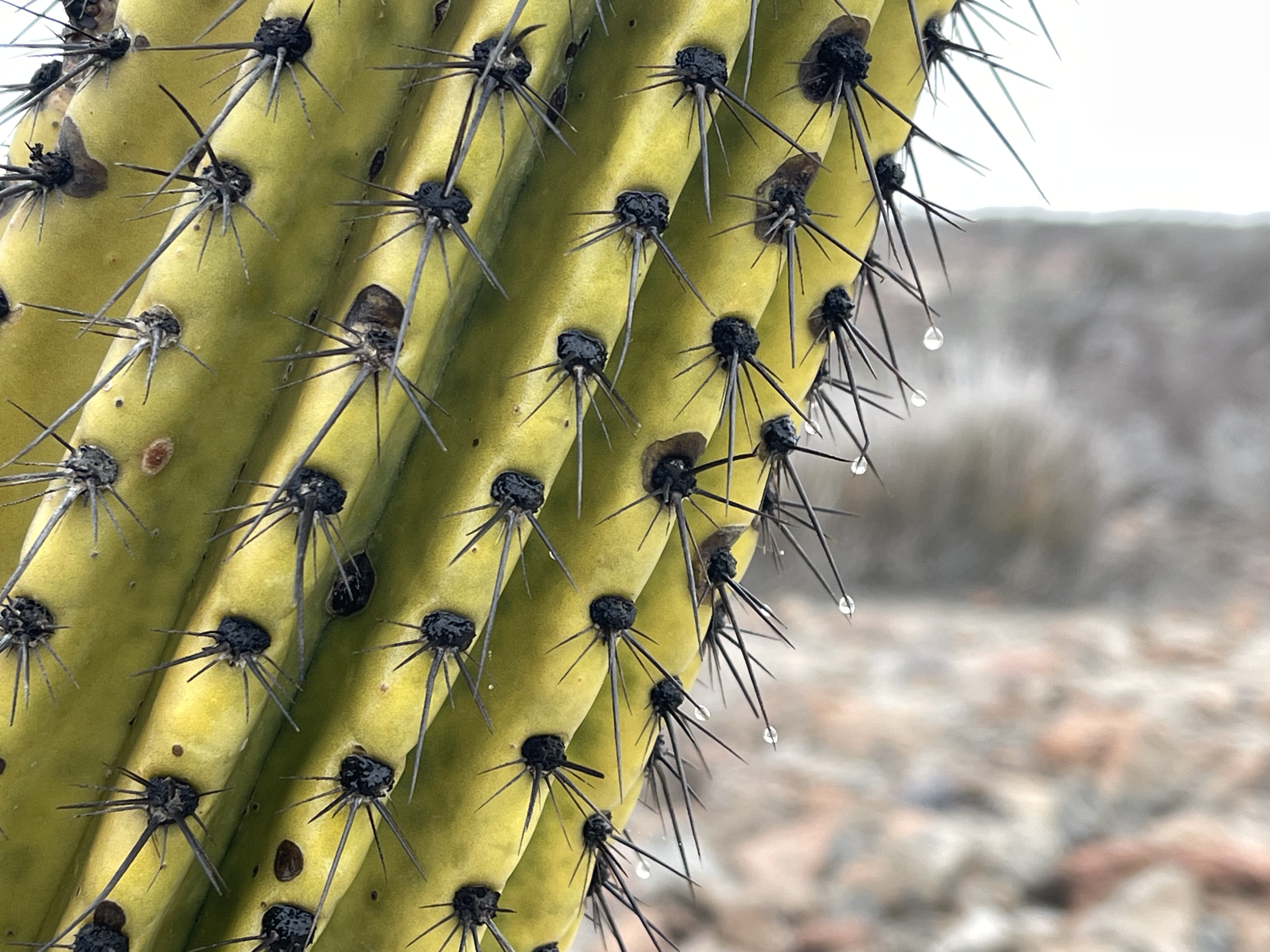
This unique fog-driven climate fosters an incredible diversity of plant life. The species prevalent in fog deserts depend almost entirely on water contained in the fog for their survival and this has led to the development of various structural and behavioral adaptations by organisms to collect water in most of these ecosystems. Succulents, deciduous species, and hardy shrubs have adapted to become some of the most water-efficient organisms on the planet. They’ve mastered the art of survival, capturing every precious drop of moisture from the air and channeling it to their roots, where it’s stored in their thick, waxy tissues for long periods. Their shiny, fleshy bodies and leaves stand as living proof of nature’s resilience in the face of harsh desert conditions.

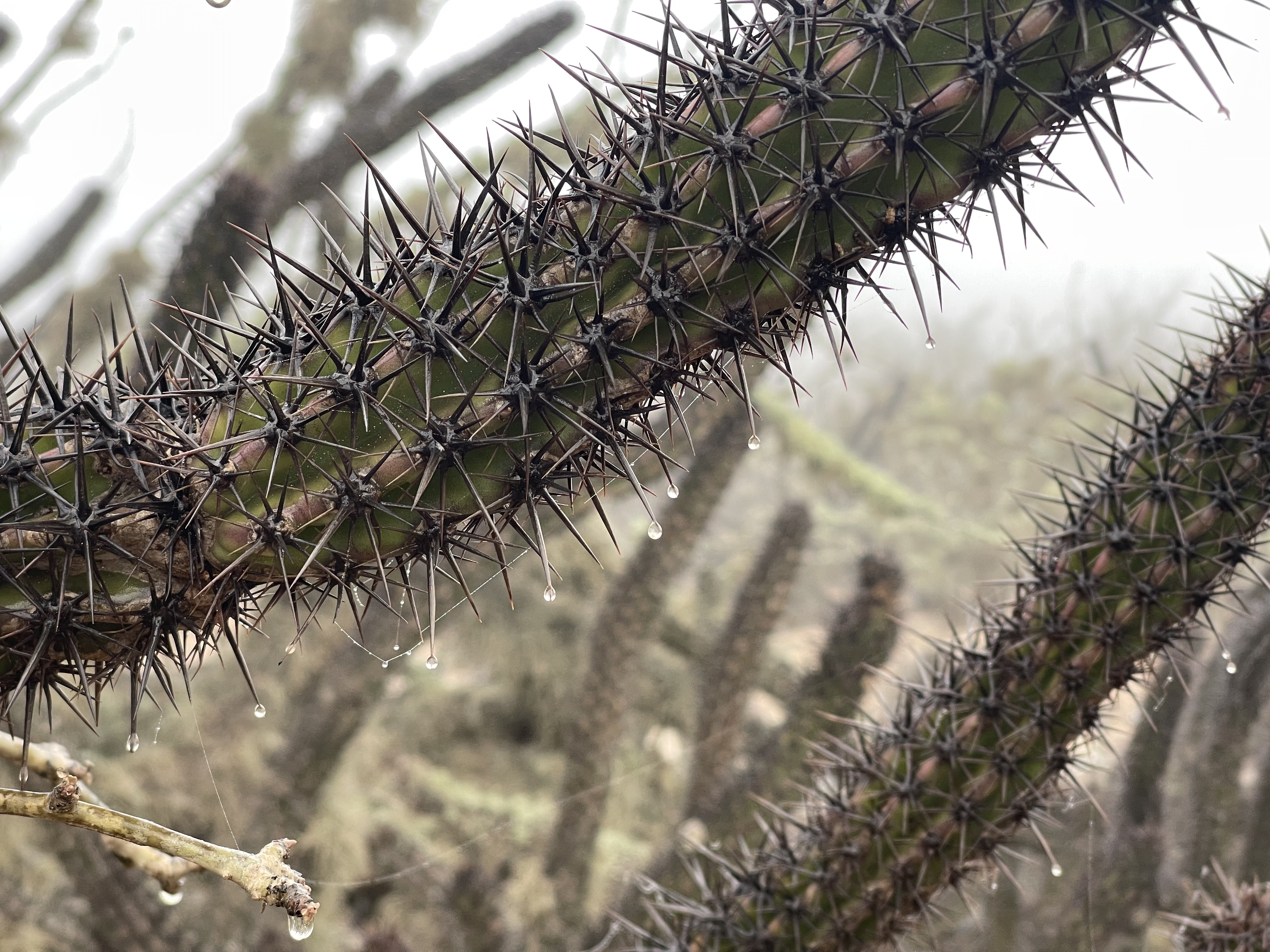
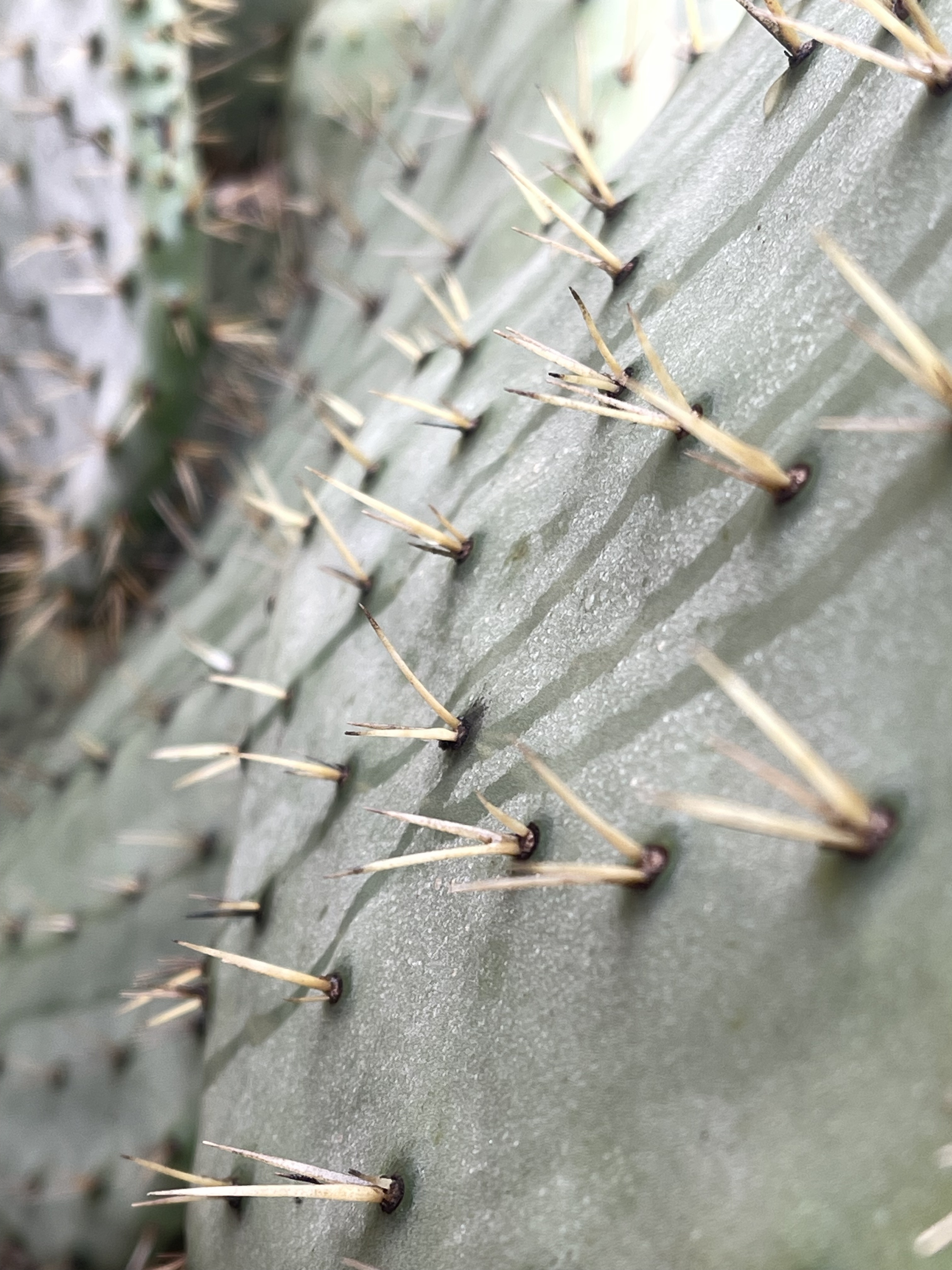
Over the past two years, we’ve experienced an extreme lack of rainfall, particularly in the municipality of Comondù. Imagine what would have become of the local flora and fauna if not for the persistent and life-sustaining fog, which has reliably provided just enough moisture to keep the ecosystem hanging on.
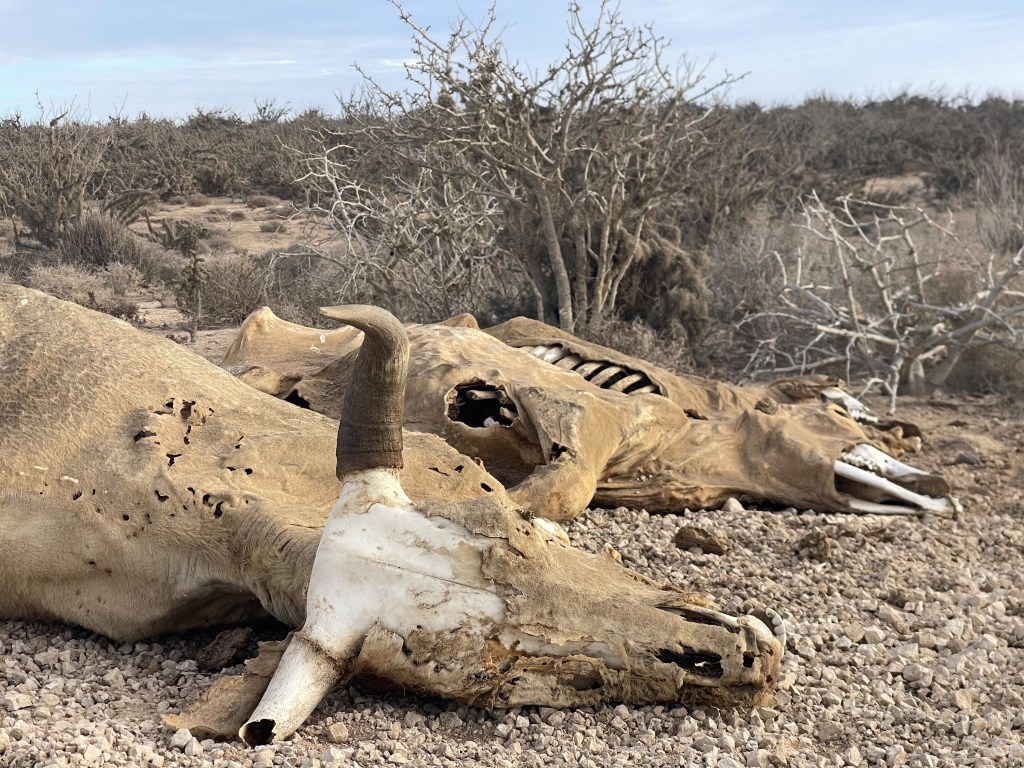
Sadly, non-native animals introduced by humans — cows, sheep, horses, goats, and others — have been hit the hardest by the drought. Unlike native species, they aren’t genetically adapted to survive in the fog desert. Evidence of this can be seen in the many dead cows scattered across the landscape.
The impact is also visible in the lives of remote ranchers in the high Sierra, who have been forced to abandon their homes and move with their livestock to lower, flatter areas where wells provide access to underground water.

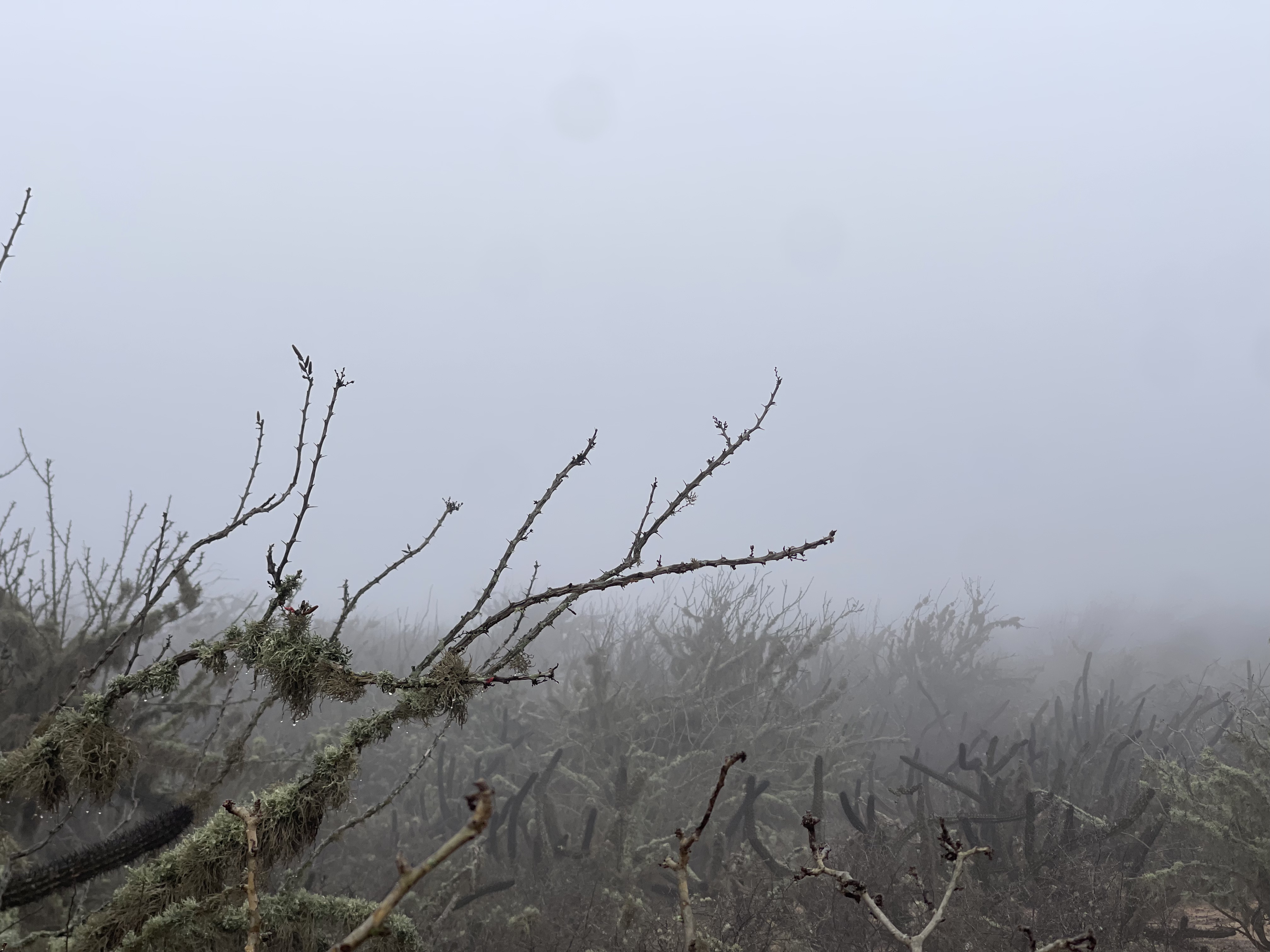
During our bike explorations each year, we encounter more and more abandoned ranches, a somber reminder that humans, like their livestock, are ill-equipped to thrive in the fog desert, no matter how miraculous its water-drip ecosystem may be.
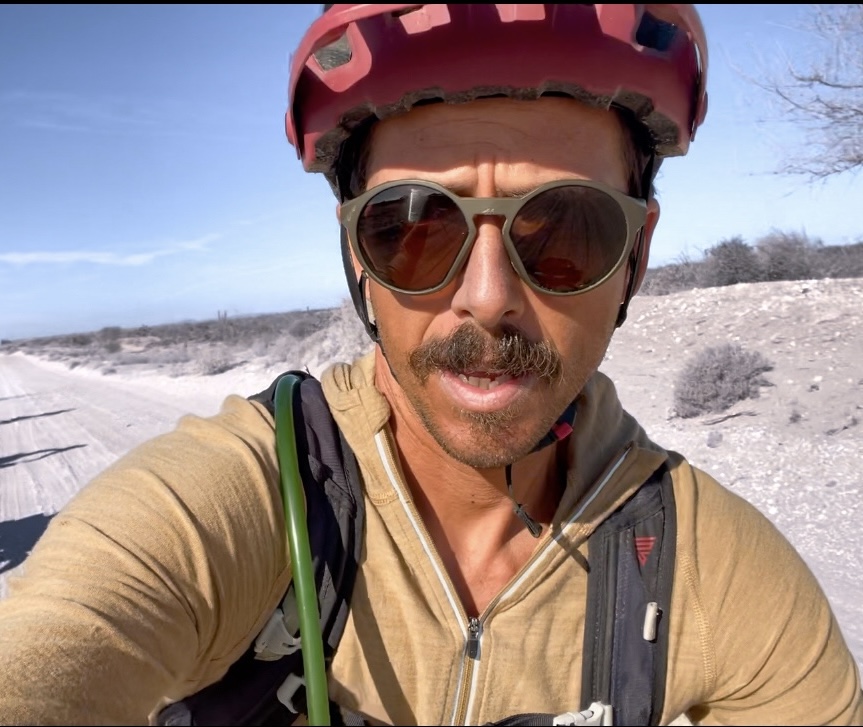
Mattia Dalvit ( @busyerode )
 bikepackingbaja.com
Leave a comment