
Our dedicated bikepacking friend Mandel Clotaire ( @lepedalistan ) gives us his humble opinion on the Baja Divide with a different conclusion. You can now follow and support Clo’s journey also on his personal website lepedalistan.cc .
I guess that’s the risk you run when you feed too much on other people’s stories. Photos, videos, first-hand impressions. And then reality, which relentlessly confronts your idea of a place.
So, as a logical next step, a natural link between the United States and the rest of Mexico, I cross the border into northern Baja California. A peninsula almost two thousand kilometers long opens up before me.
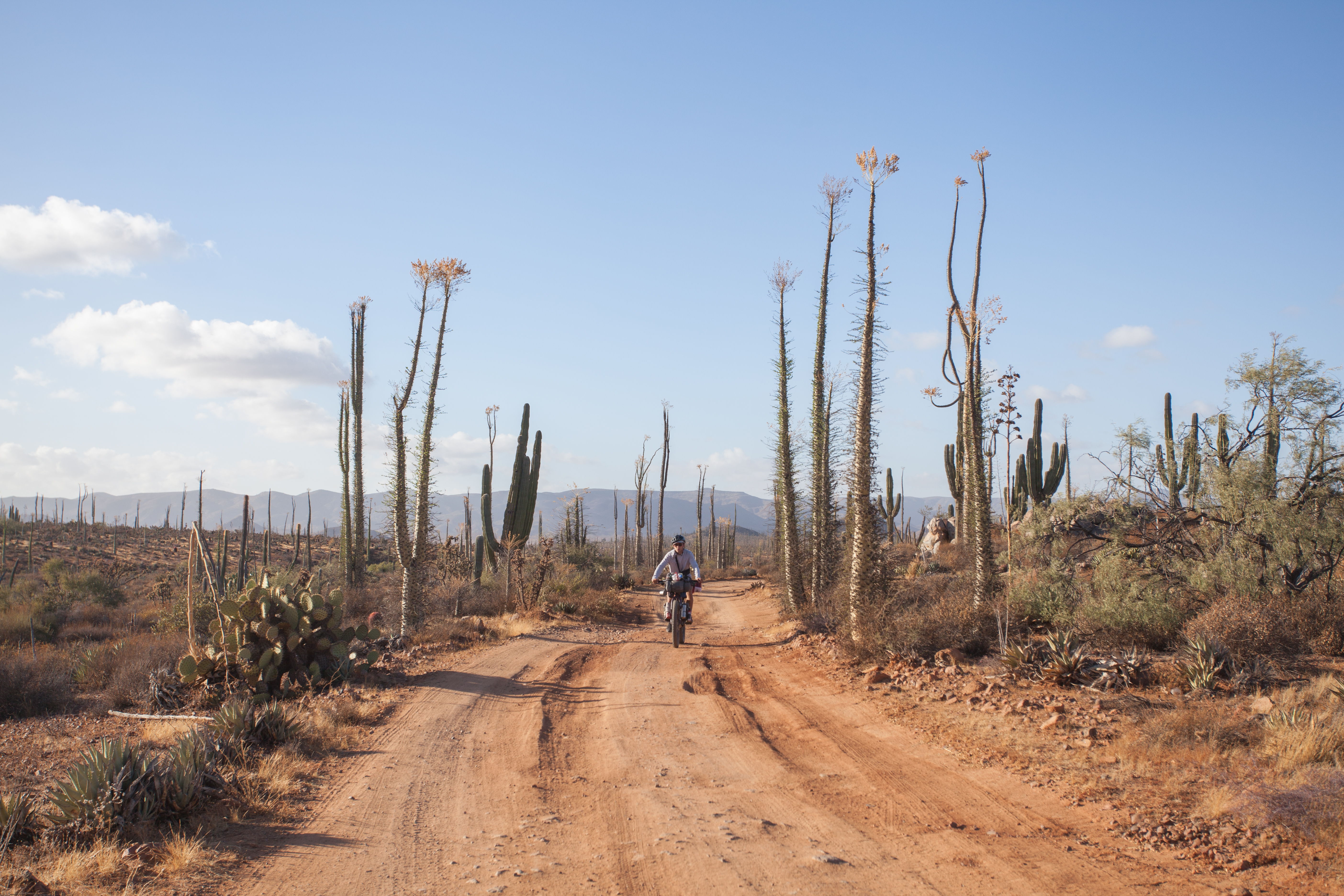


It’s strange to have done so much research on a place. You find yourself in front of an unknown place that you think you’ve seen before. You recognize the curves, the dusty villages, the beaches and the infamous slopes.
The Baja peninsula, and the Baja divide in particular, is probably one of the most well- documented biking routes. But nobody talks about the background. Of what lies beyond the superficial, which is a source of frustration and incomprehension among cyclists.
I sit on the terrace of one of the restaurants in the central square of the village of San Ignacio.
Another cyclist is sitting at the next table, a little haggard. The natural conversations that arise between cyclists disappear here. We don’t seem to know what to say to each other. Or dismayed, not knowing where to start.
“Maybe it’s a big joke, that everyone’s quietly replaying. That everyone knows it’s harder than advertised, but no one’s saying it.”
I nod silently. Because everyone is struggling to explain the difference in difficulty felt versus that subtly announced on paper.
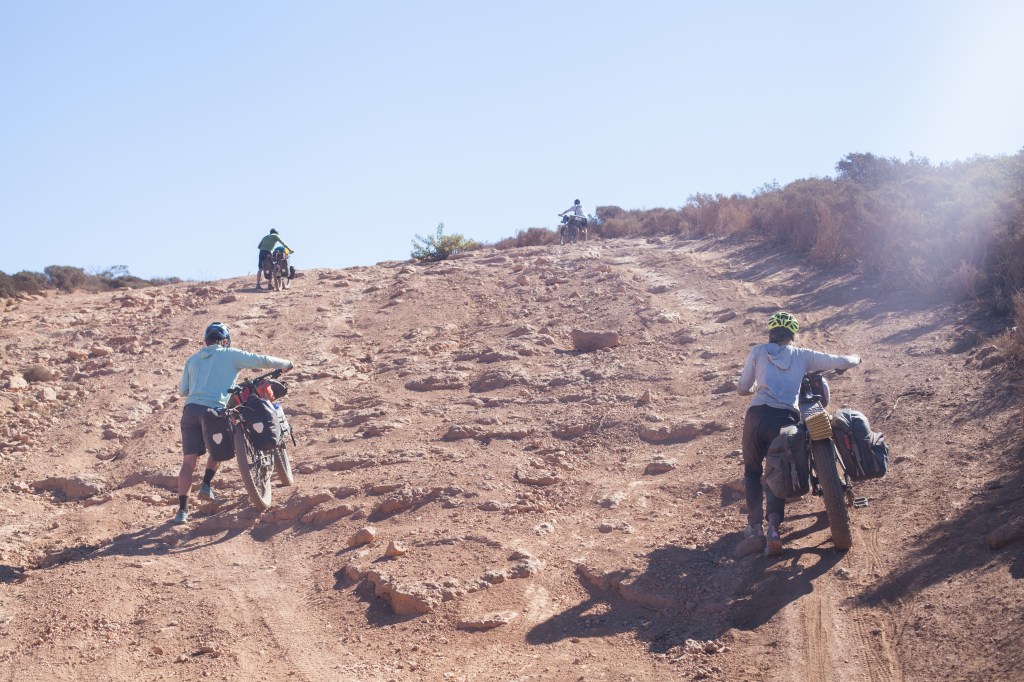
About fifteen cyclists gather in the village campsite that evening. And the discussions, as is often the case, turn to the track. About the difference between publicity and reality. About who’s going to continue on the track the next day, and who’s going to take to the asphalt again.
Because the Baja divide is not an easy road, far from it. But I also found the reward a little strange. Beautiful and petty at the same time: silence.
Because it’s on this route that you’ll find calm. Not “Mexican quiet”, but true rest in the absence of noise pollution.
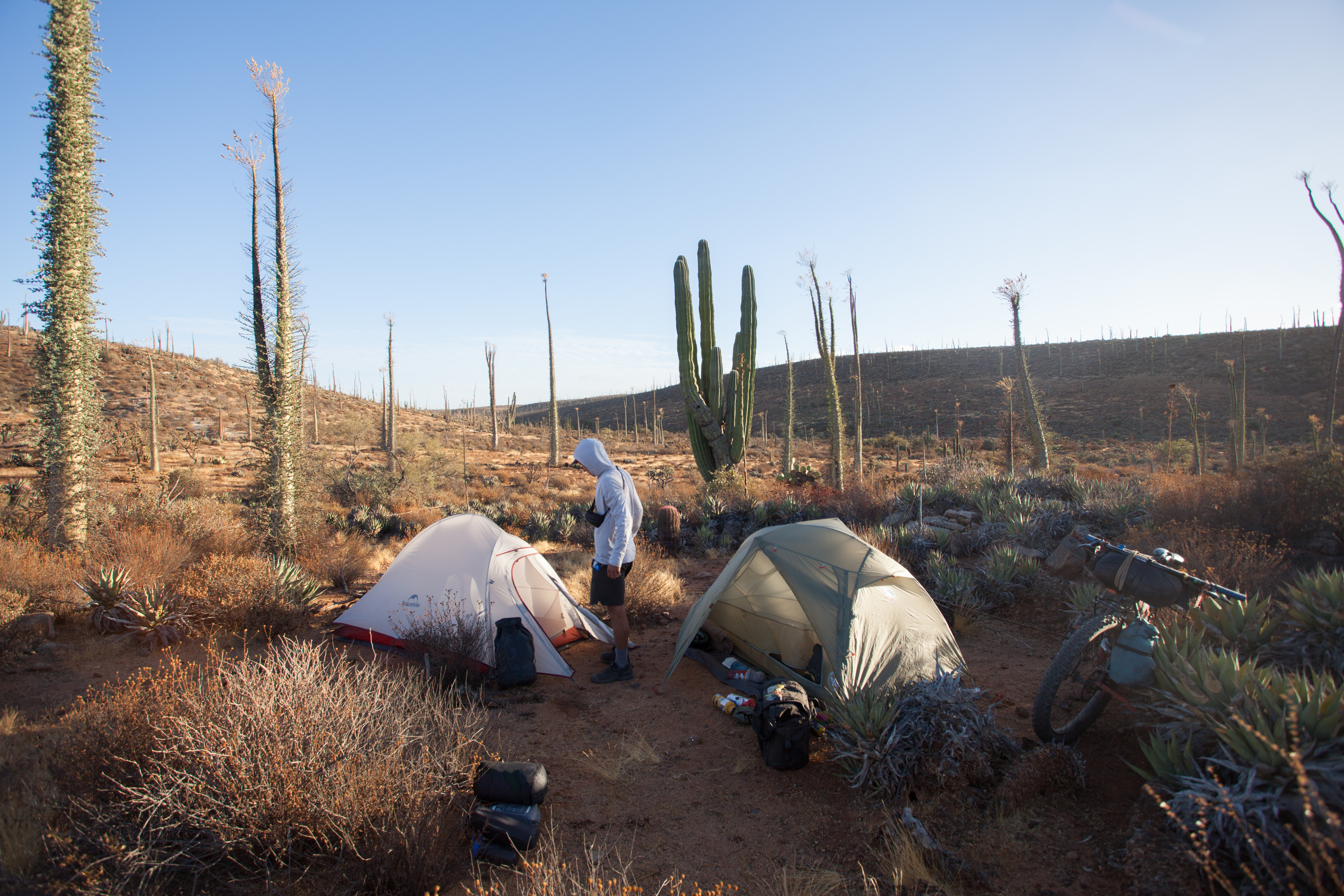
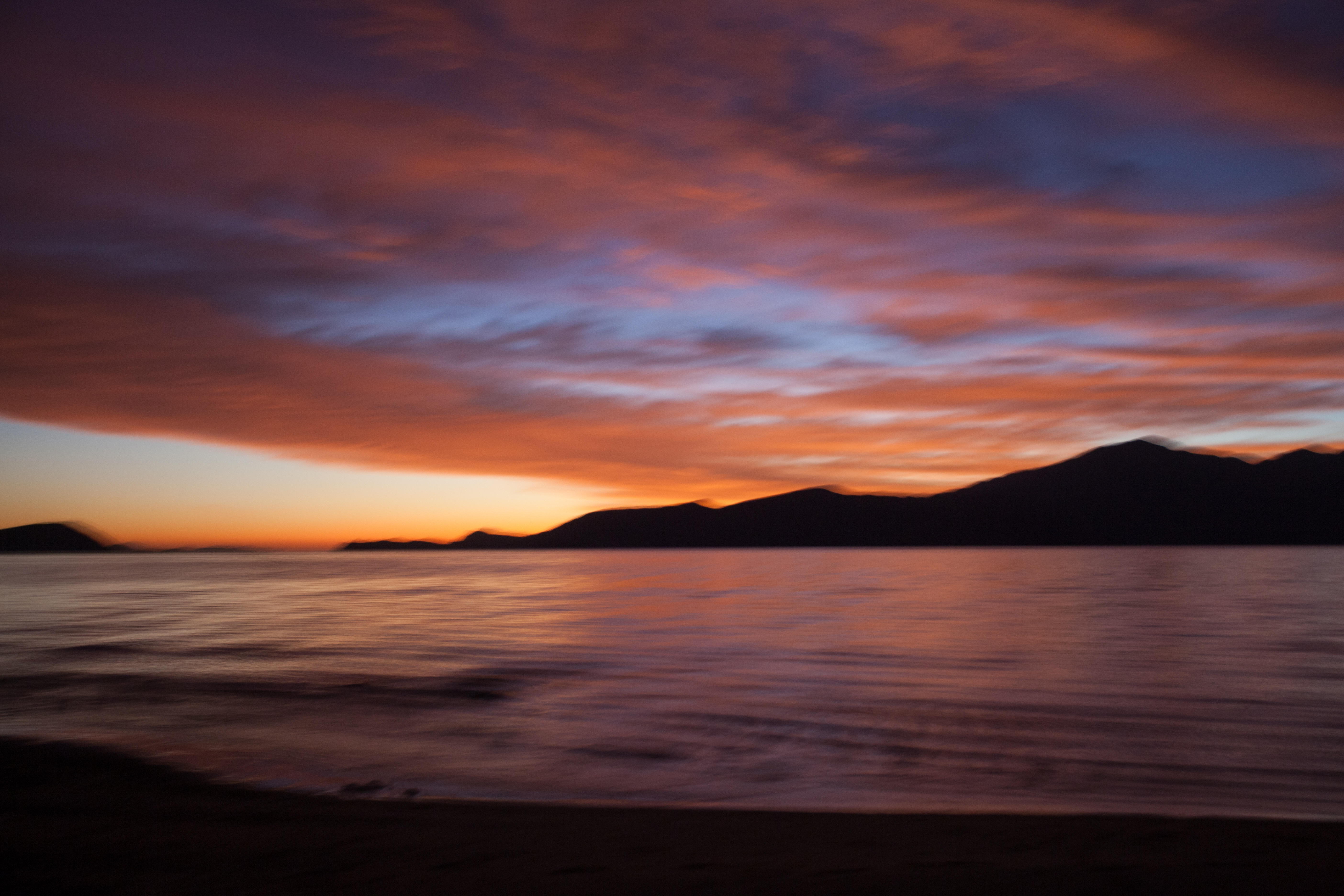
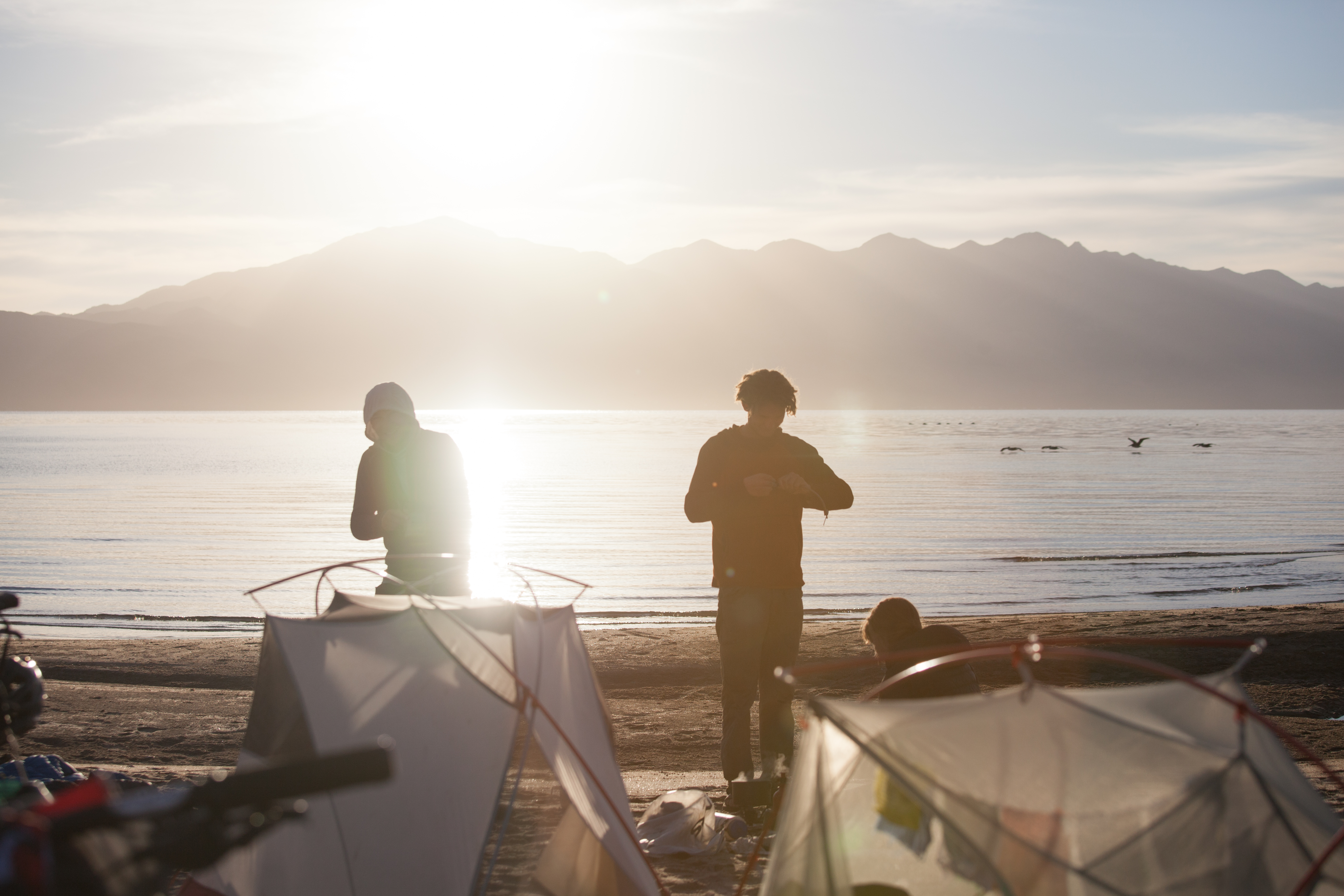
The scenery is sometimes exceptional, of course. But not always. So we understand the interest of this route by the tranquility of the nights in the desert, under the stars. Peaceful nights for those who stay on the trail. A trail that is not easily won.
The very track on which the perception of time and distance becomes somewhat distorted. For who can count in kilometers here?
We count in days. Numbers no longer have a grip on reality, only the rhythm of days and nights provide a scale for measuring progress.
The Baja divide. This almost 2800 km track avoids asphalt at all costs. I say at all costs, because passing through the interstices of the map comes at a price.
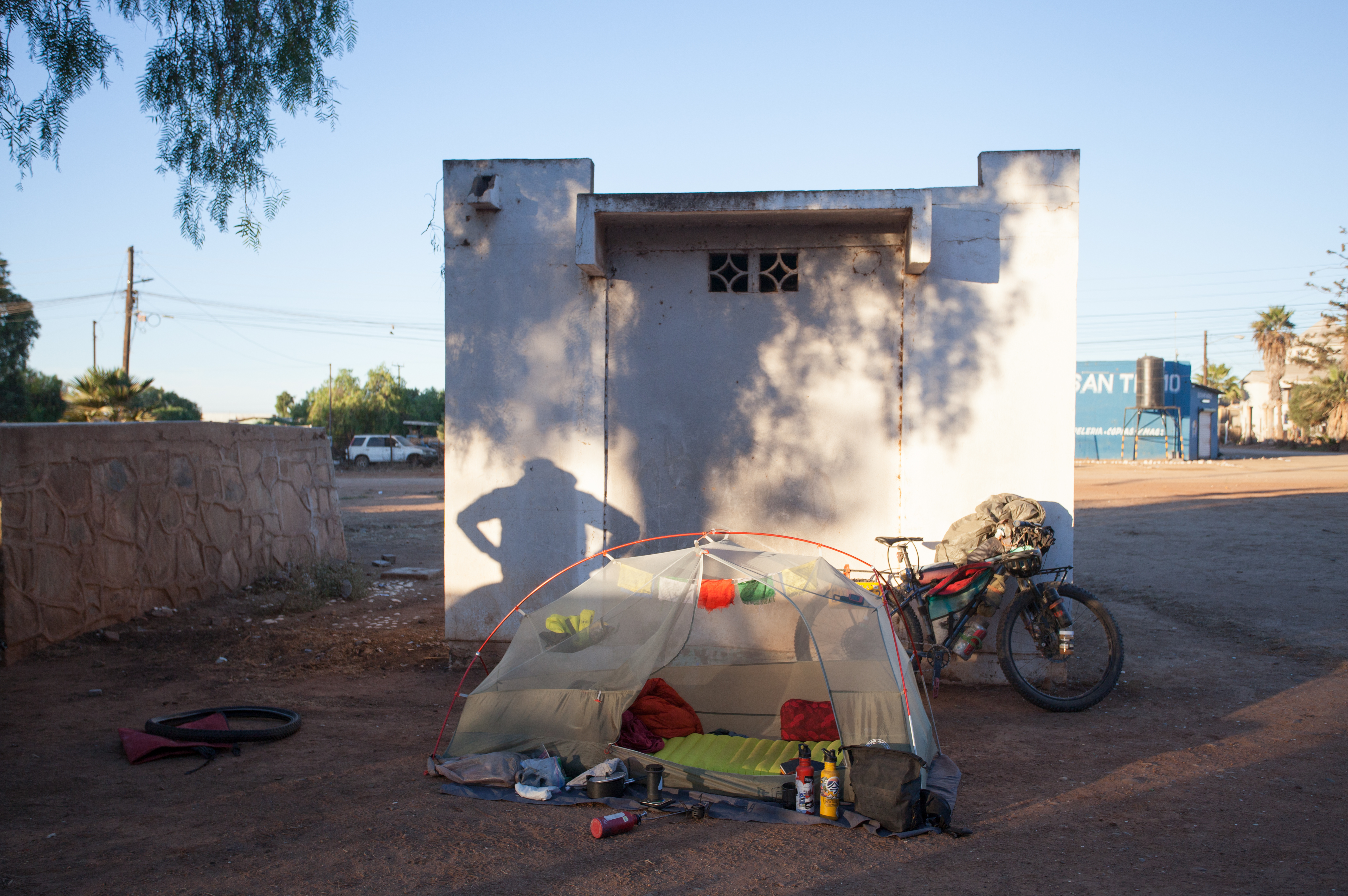
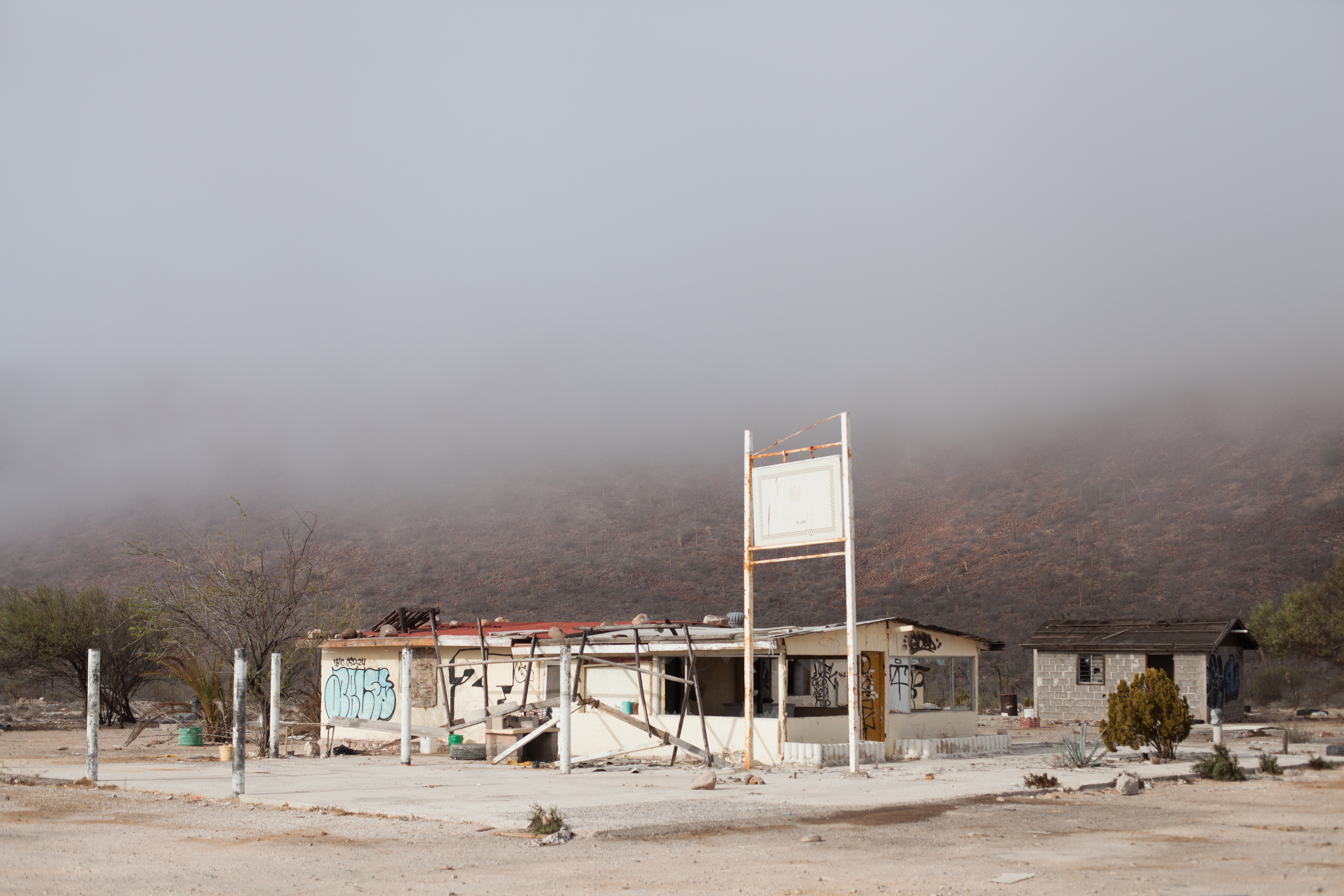
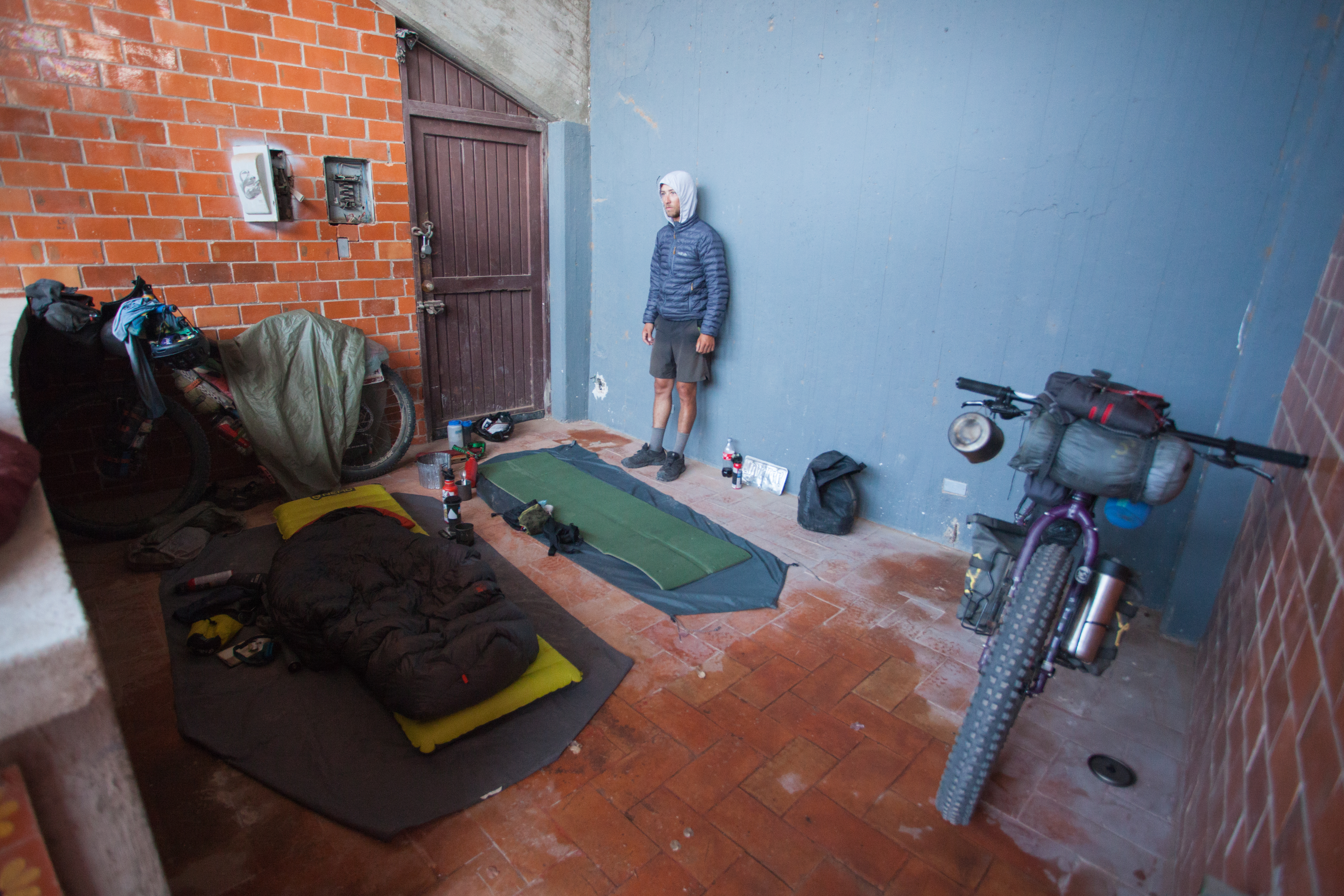
And off-road, it’s the road. The only road. The road you quickly come to hate. The noise, the smells, the traffic, the danger of overtaking trucks. The people in a hurry, the sad roadside villages, the humidity, the barking.
It’s not long before we hate it, and it sends us irrevocably back onto the broken tracks, to find the luxury of sleeping just about wherever we want, in the relative calm of the desert.
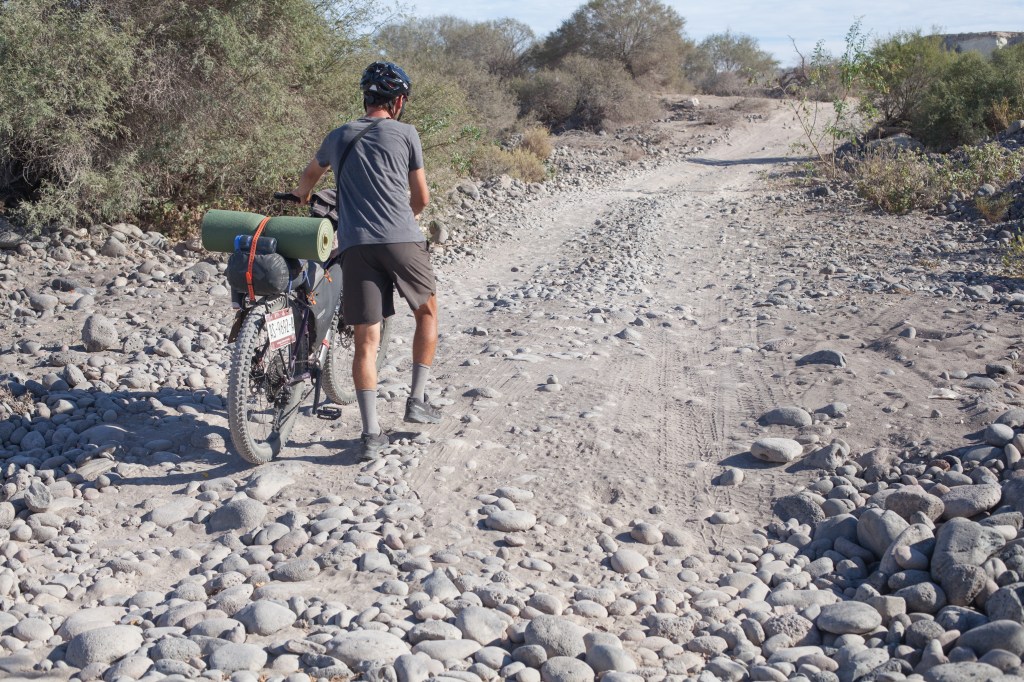
But I was soon back to exhaustion. Physical and mental fatigue, fighting against my worst enemy: the search for meaning. What the hell am I doing here?
But the question remains unanswered. Insensitivity of scenery and track to our despair. Everything is in its place, both still and in motion. But silent to our questioning.
If the nights are nobly made up of silence, the days see calm as so much space for reflection. Long-distance cycling is a wonderful meditative activity. And yet, here, at the push, it’s just as much time spent wondering what on earth we’re doing here. Wondering what people find here. And making personal statistics on the percentage of people who ride the whole track.
Not many, believe me. Some come close and say they’ve “almost ridden it all”.
Baja Divide becomes Baja divided. Cut in two. A story of love and hate…. a story of love and hate.
Divided in two, a bit of track and a bit of road. A little boredom and a little wonder. Happy to be here, but happy to know I’m leaving.
The road or the trail.
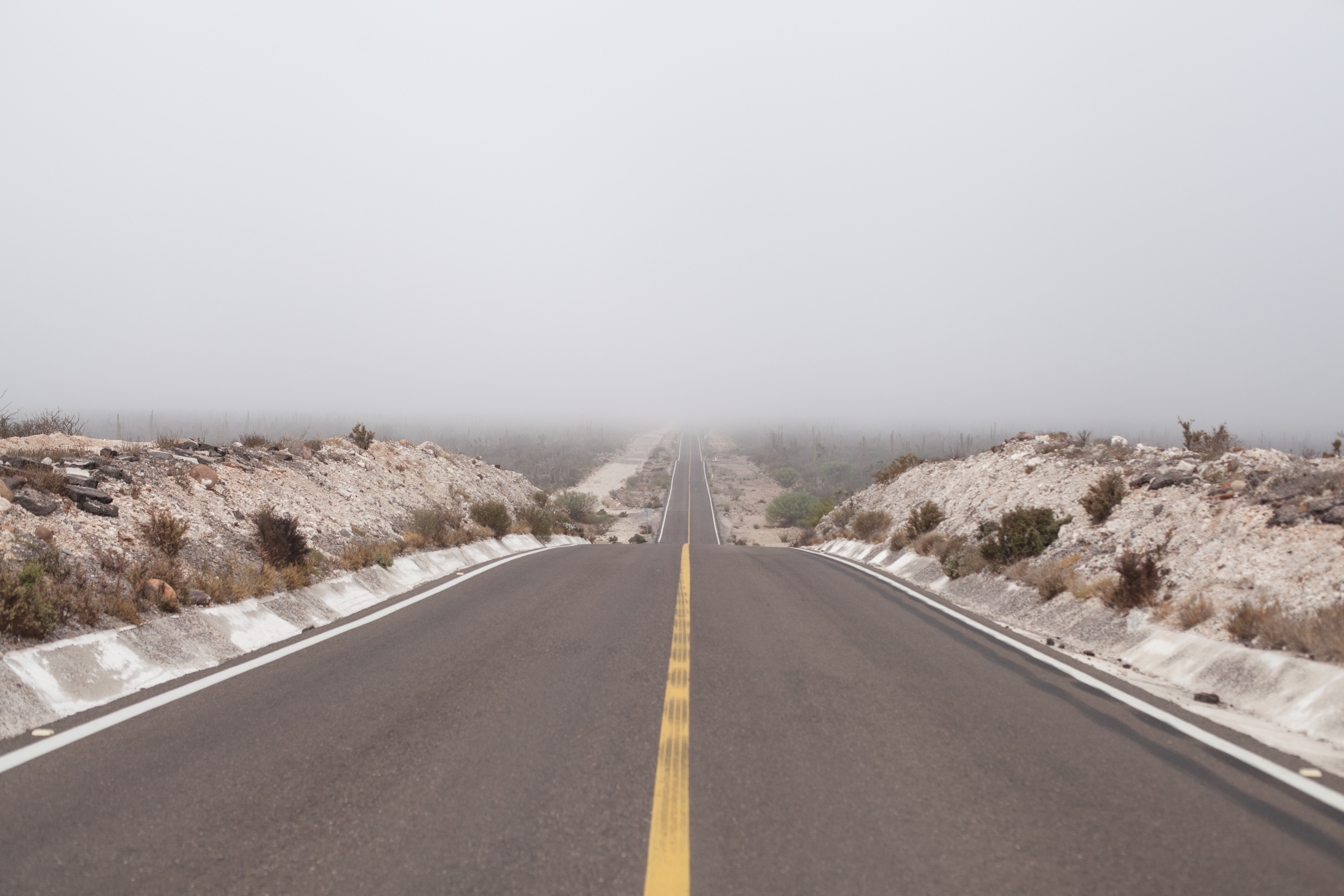

And then the poetry of choice unfolds before us.
Asphalt or dust. Noise or silence. Tranquility or traffic. The safety of the desert or the danger of a narrow road. The lonely desert nights or those hidden behind a restaurant. The relative peace of slow, winding back roads, or the efficiency of a dangerous, uninteresting one.
A terrible choice for me, for all cyclists. Fight the urge to abandon the line drawn by the GPS, to be able to say you’ve ridden it all. Or just accept that things aren’t going according to plan, and give yourself the power to follow another route, another direction. To climb into the back of a pickup or even a bus, to go further, to finish faster.
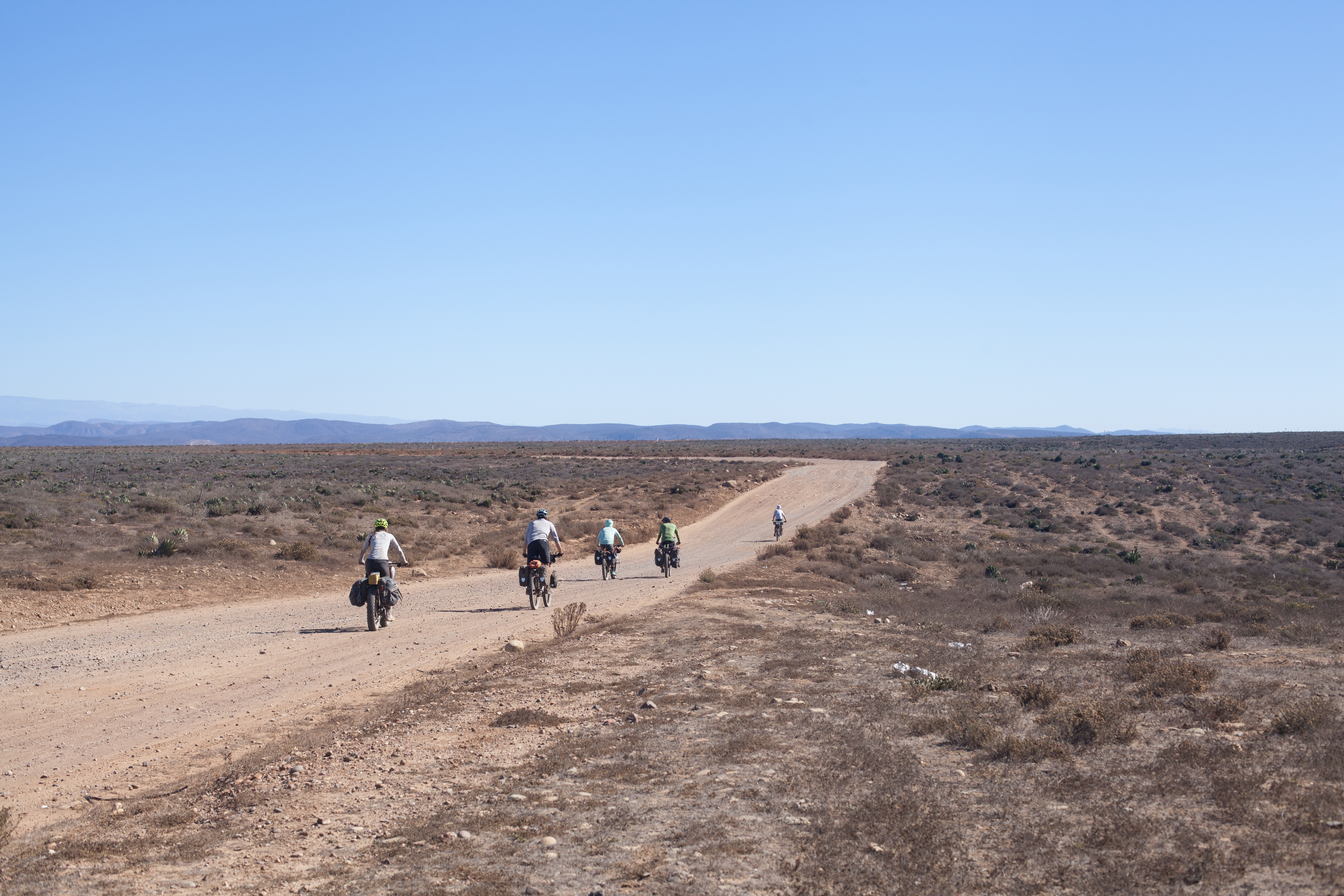
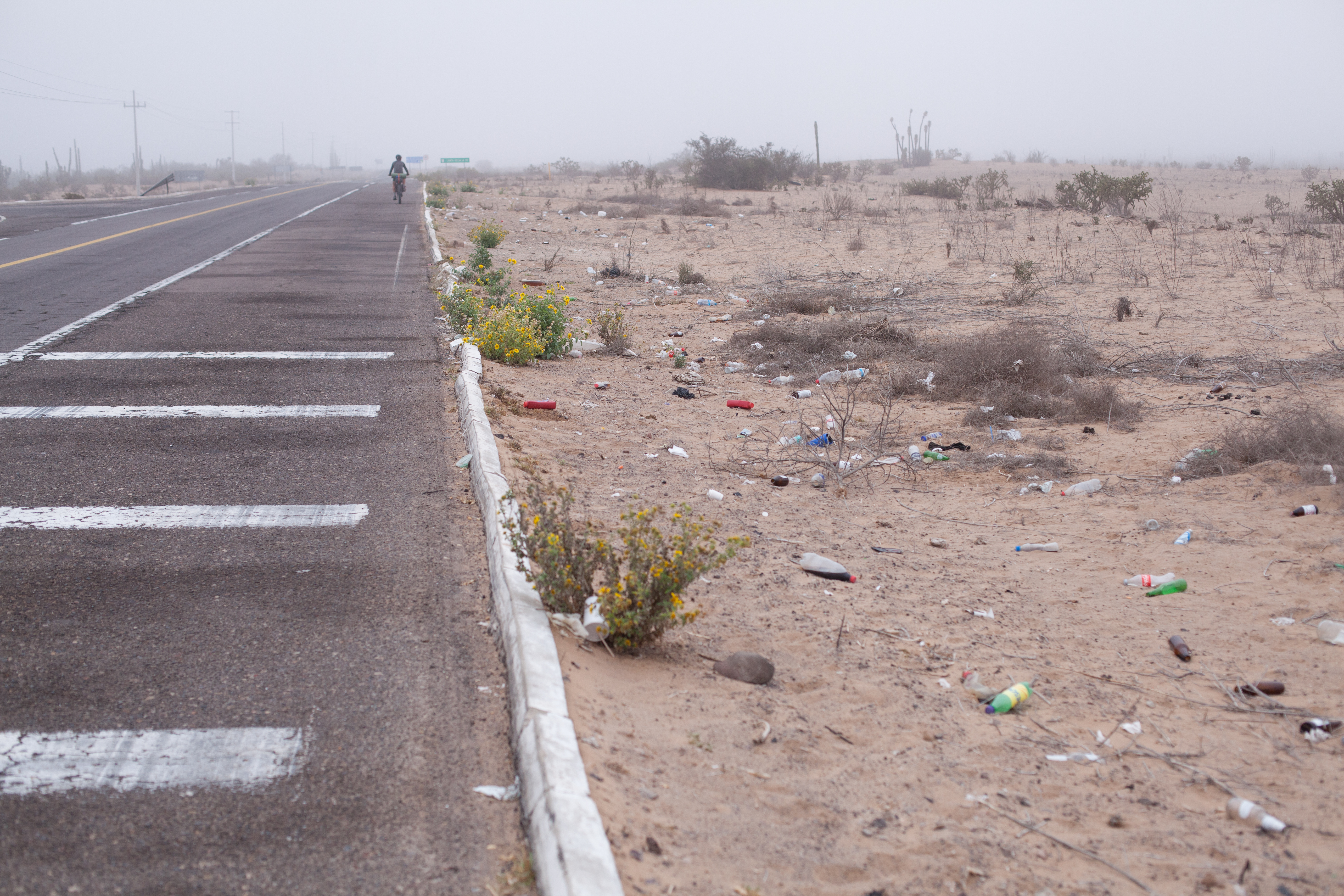
This ambivalence would often grip me.
Between the little desire I had to keep pushing, but also the little marvel that is this community of cyclists I’ve met on this same track, pushing side by side.
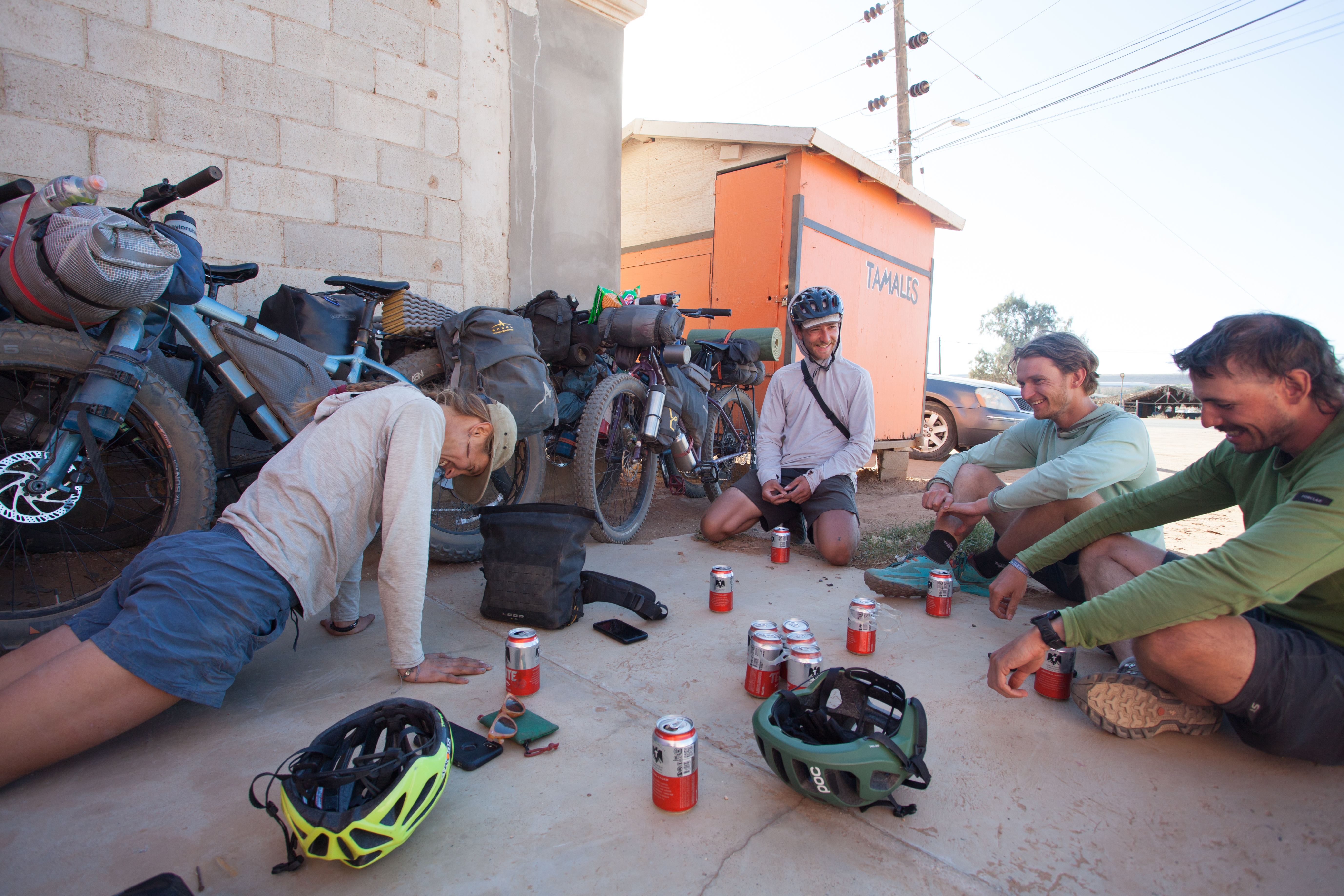
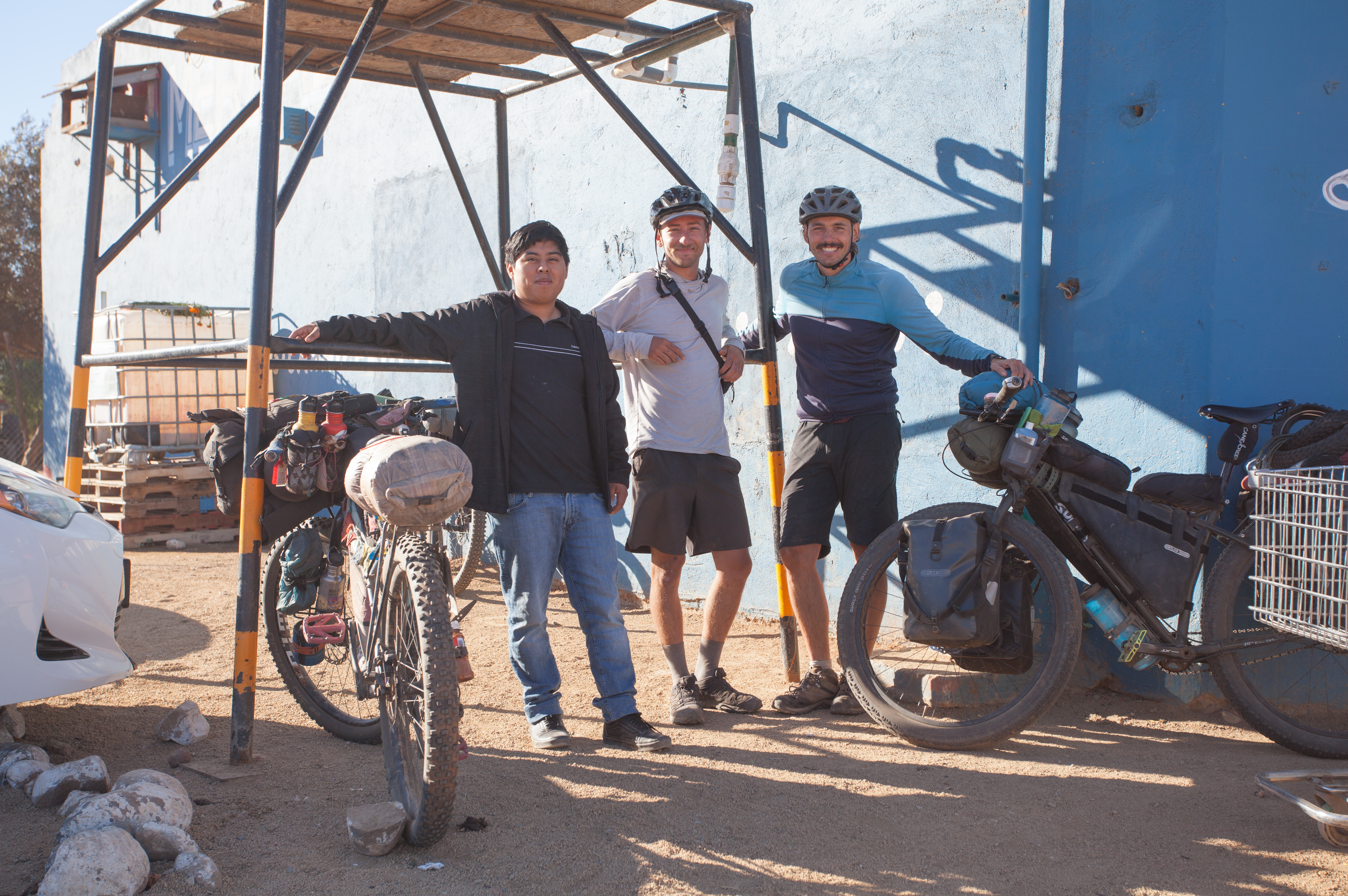
Not marvelling at the scenery as often as I’d like, but cherishing the smallest corner of paradise. To suffer the coldness of many, while appreciating the invaluable help of the locals.
Hating the decision to take this route, but knowing that in the immediate future, given my mental and physical strength, I don’t want to miss the chance to ride on asphalt for a while.
Because despite all the articles and posts about it, it’s even harder than advertised, and while some corners are undeniably beautiful, it’s also often pretty average. And not necessarily elusive elsewhere in the country or around the globe.
Because attention is often focused on the same parts, the same photogenic spots. But I couldn’t help seeing the other side of the picture postcard.
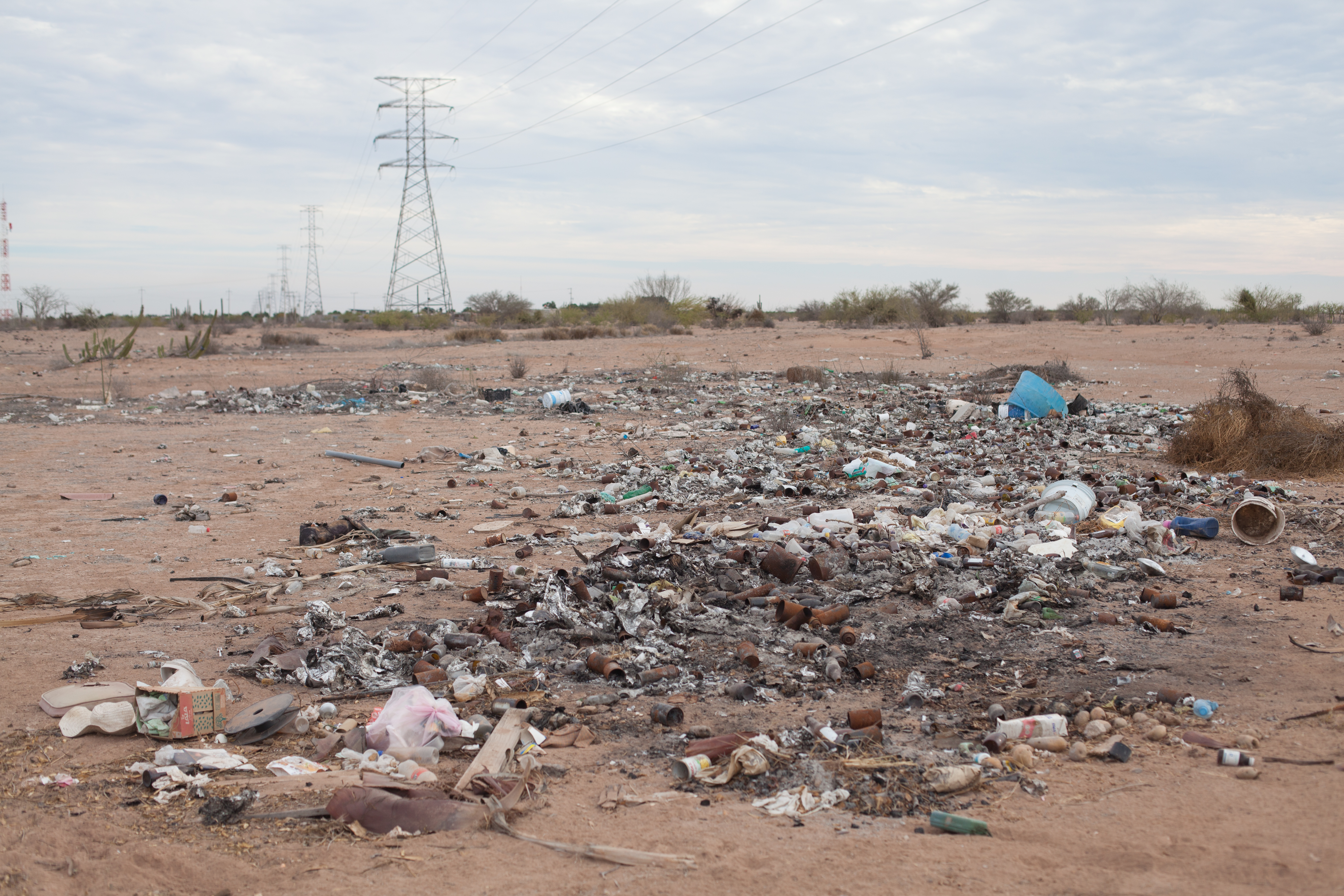
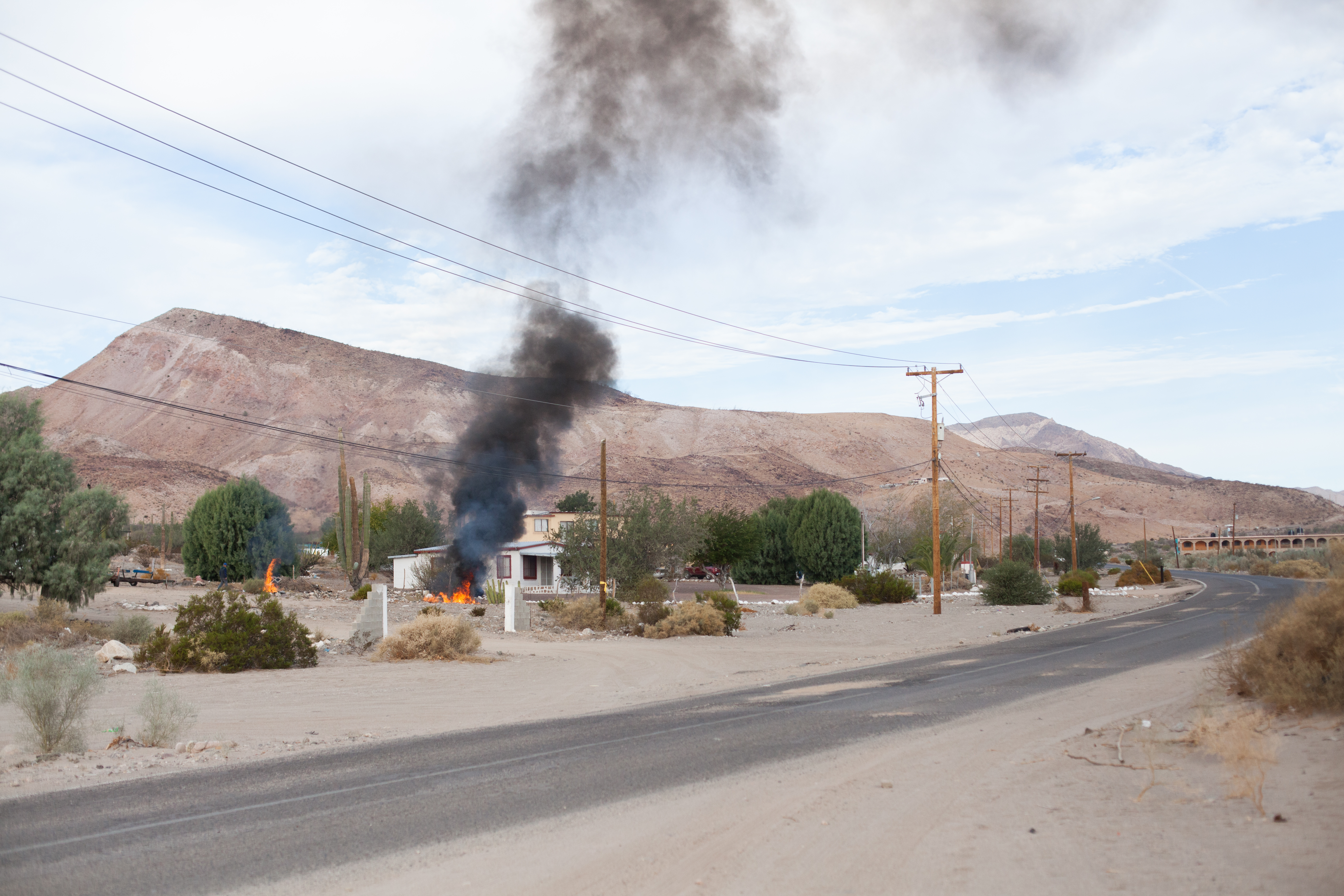
Because yes, the area is full of less poetic places. The garbage, the greyness, the smell of dead animals. All this mixed with sad villages, noisy highway towns. The noise, the dust. Repetitive food too. Not necessarily excellent, not necessarily cheap, and often unsuitable for those who don’t eat meat or fish.
And finally, a rather gloomy atmosphere, perhaps the result of all this cooking.
An atmosphere that doesn’t necessarily make us want to linger near other humans, where they live. So it’s the desert that calls, again and again. For the love of remote, desolate places, and to avoid seeing the rest.
Pushing your bike far enough away to hear only the coyotes, and the occasional car that leaves a bit of its metal carcass on these chaotic tracks.
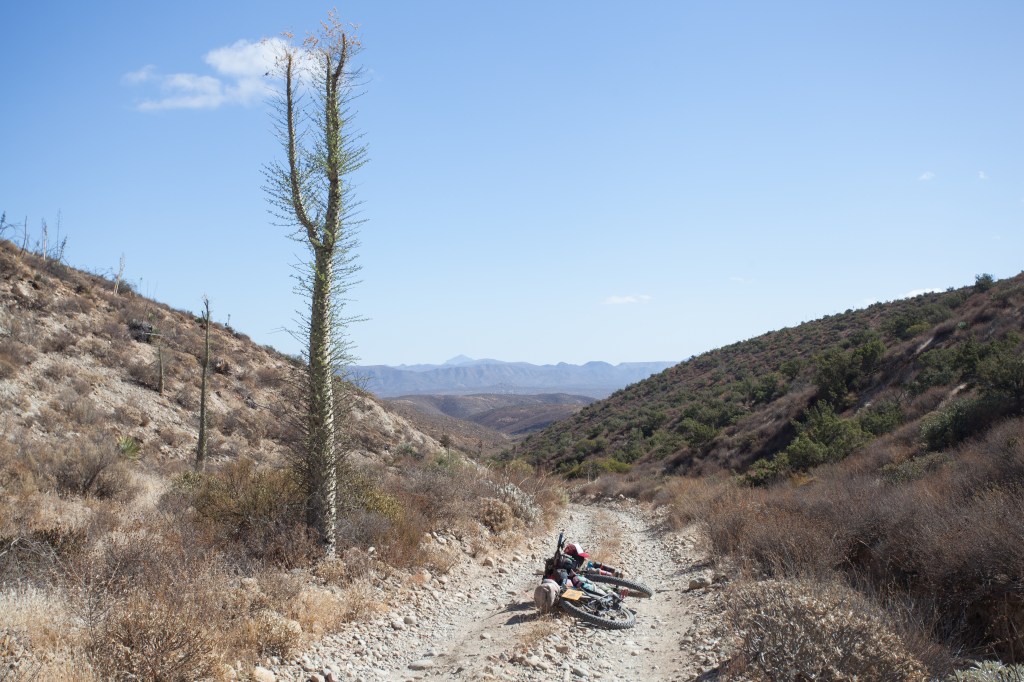
But can we simply not like this part of the world? Is it possible to write anything other than a glowing review?
Sometimes you see old prices crossed out and corrected. I tell myself that life must have been a little gentler around here when prices weren’t yet similar to those of our neighbors to the north. But all the same, all those beaches I was sold, I could have found elsewhere, in the United States or even in Brittany. That the desert has nothing to envy of what will follow later in the rest of the country, that the food is still far from being worth its letters of nobility.

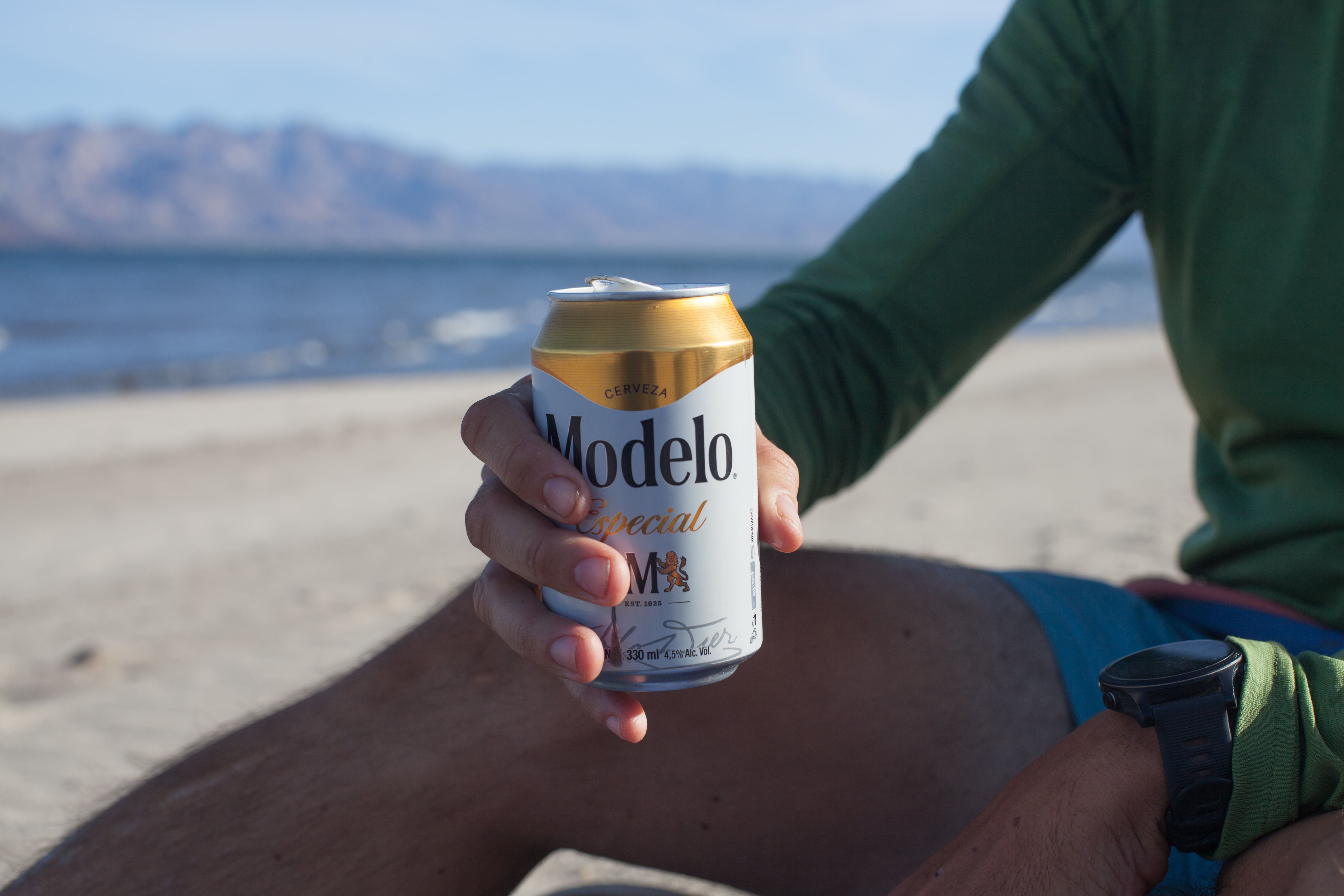
So why so many people? Why this impressive flow of cyclists in a place that is far from being the safest, the most beautiful, the least expensive or even the most culturally interesting?
Surely the proximity to California, the impression of having seen Mexico, or the adventure at hand, with so much information available, a clear start and finish point, a physical and human adventure, and a line drawn on the GPS that anyone can follow without thinking too much.
Whatever. I didn’t fall under the spell, and that happens. But rarely in such vaunted places.
Little by little, I’m getting closer to La Paz. I’ve taken the most direct, easiest route. Maybe I was wrong to take the easy way out. But it’s easier to say that now, with a little hindsight, than it was at the time, when you had to make a choice at an intersection. A blind choice, under the sun, in the dust. A choice that will dictate the rest and end of my time on the peninsula.
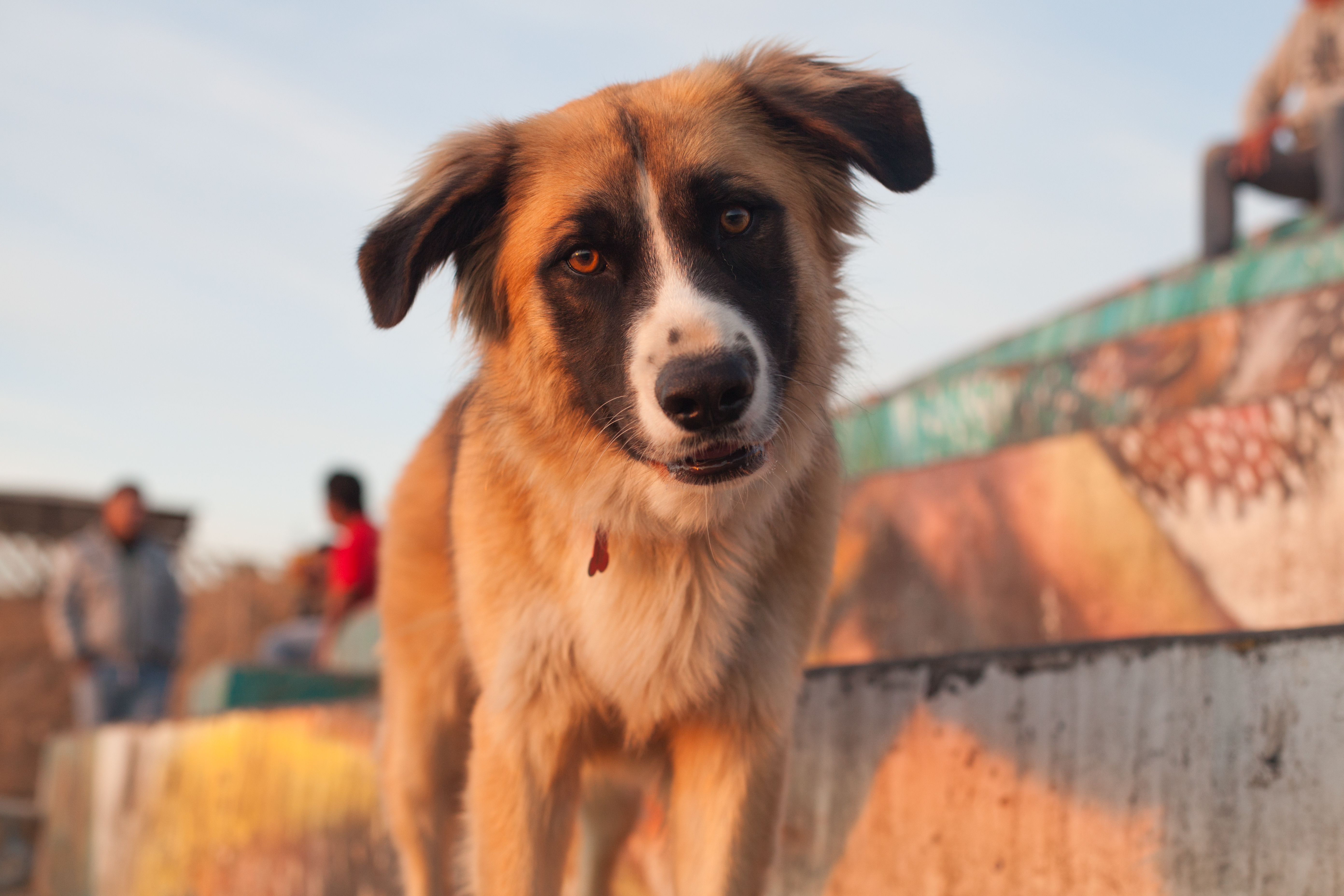
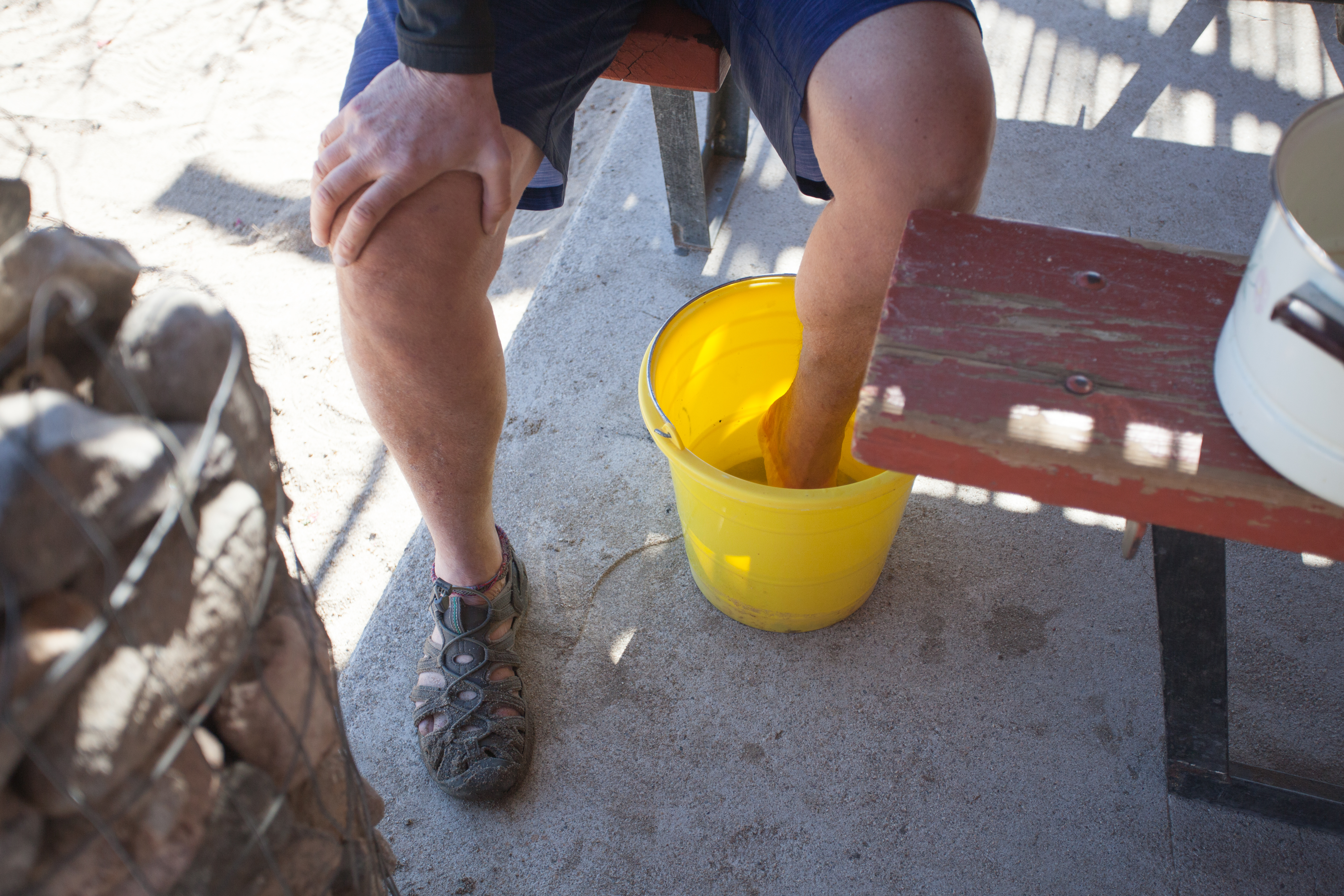
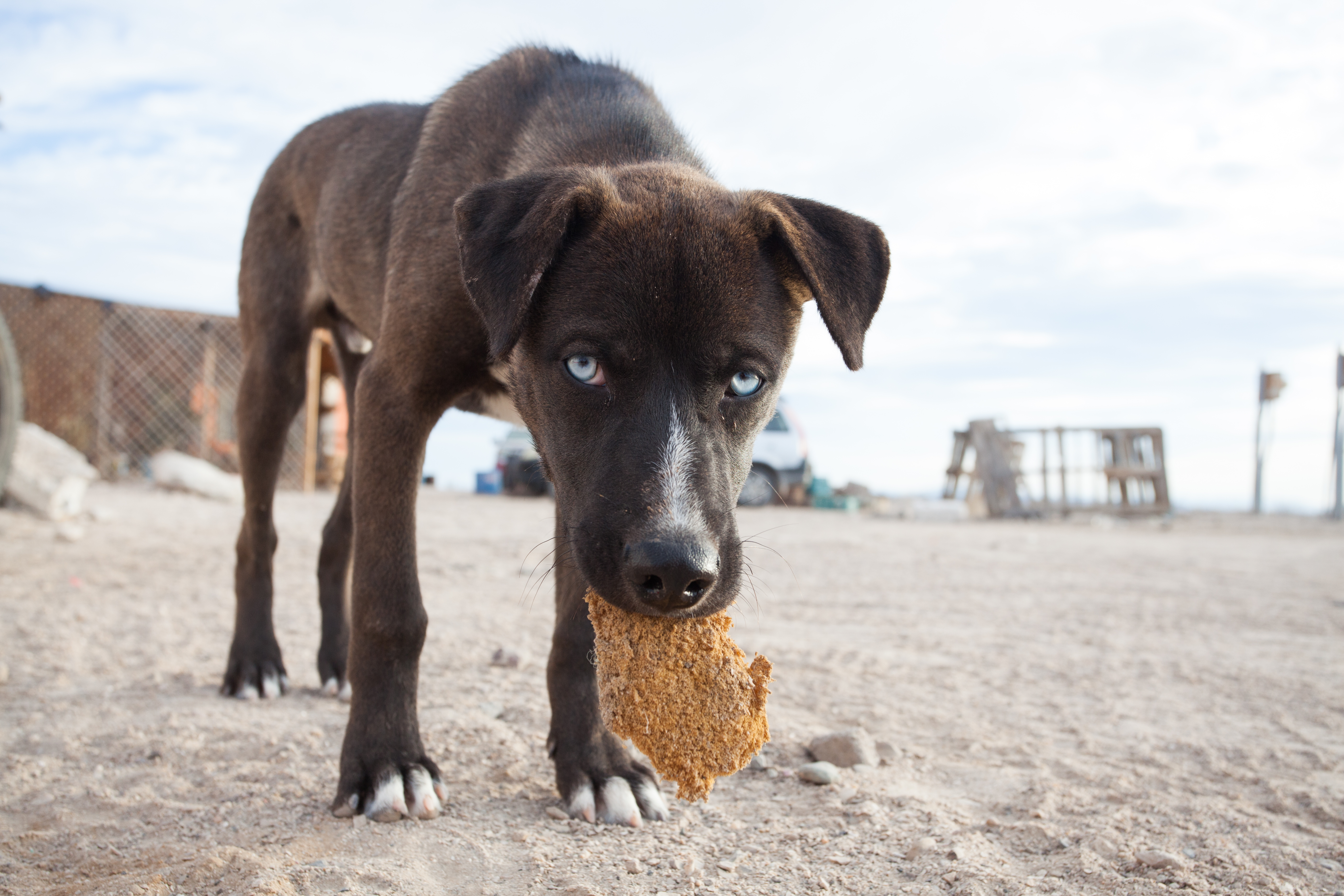
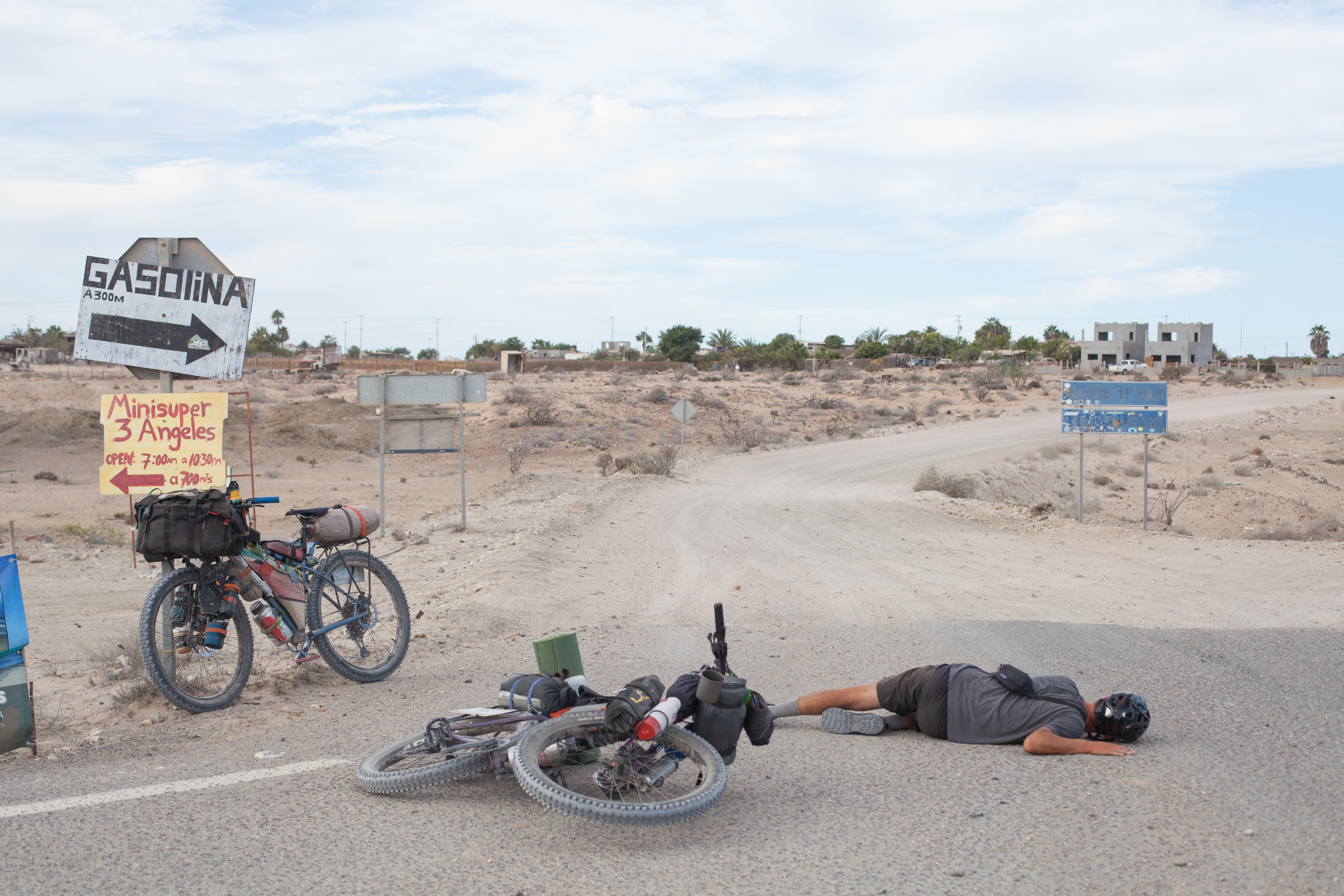

I arrive at the port well in advance, to be sure of getting a ticket for the cargo crossing to Mazatlan. It takes a long time, but I end up setting up my inflatable mattress on the upper deck of the boat.
Night falls, the shore recedes. Everyone on the boat is staring straight ahead, trying to pierce the hundreds of kilometers of ocean that make up the horizon. No one seems perturbed by the idea of leaving here.
And weeks, months later, the cyclists I meet talk with relish about the Mexico they’ve found on the other side of the Gulf. Of the country they rediscovered by taking that famous ferry.
No regrets, but it’s a big world out there. It was fun, but thank you, never again.
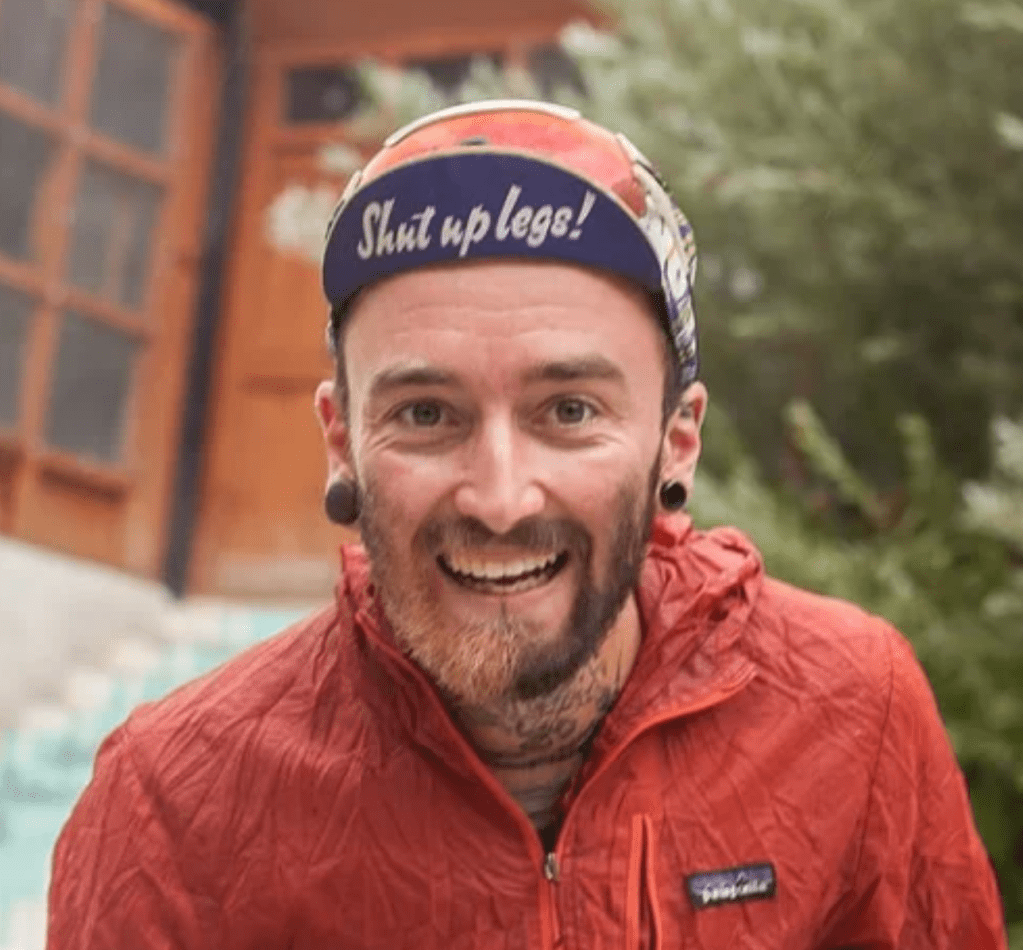
Mandel Clotaire ( @lepedalistan )
 bikepackingbaja.com
Leave a comment